


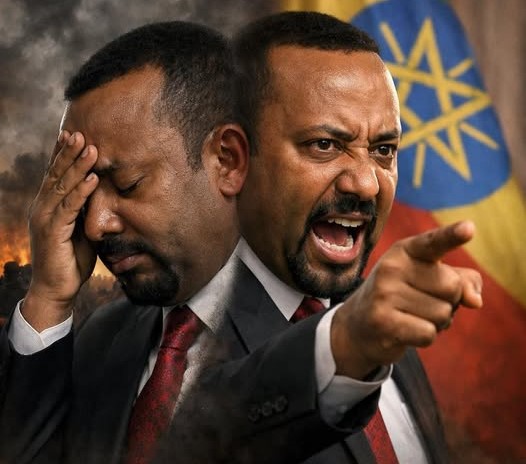
History will forever remember 1 January 2024 as a pivotal moment in the politics of the Horn of Africa. On that day, the former President of Somaliland, Muse Bihi Abdi, showed remarkable courage by travelling to Addis Ababa and agreeing a historic deal with Ethiopia’s Prime Minister, Abiy Ahmed. The understanding was straightforward. Ethiopia would take steps toward recognising Somaliland, and Somaliland would lease part of its Red Sea coastline, giving landlocked Ethiopia the maritime access it has sought for decades.
For nearly nine months, the Memorandum of Understanding stood as a bold example of strategic thinking and regional cooperation. Many believed it signaled the beginning of a new political and economic reality for the region. Yet in a stunning display of political weakness, Abiy Ahmed reversed course.
He did not retreat because the agreement was flawed. He did not withdraw because Somaliland failed to honour its side. He stepped back because foreign pressure intensified. Turkey, Qatar, and Egypt, each driven by their own geopolitical interests in the Red Sea, reportedly pushed Ethiopia to reconsider. Instead of defending a sovereign decision that served his nation’s long term interests, Abiy chose the easier path, surrendering to external influence. Somaliland, meanwhile, resisted enormous pressure and refused to abandon its position.
True leadership is revealed in moments of pressure. Strong leaders stand firm. Weak leaders fold.
What makes this retreat even more alarming is the contradiction now emerging from Addis Ababa. In his speech yesterday before parliament, Abiy Ahmed spoke in provocative terms toward Somalia and Djibouti, warning that if Ethiopia continues to be denied access to the sea, military action could become an option. Such rhetoric raises serious questions. How can a leader abandon a peaceful and lawful agreement, yet speak boldly about confrontation? That is not the language of strength. It is the language of inconsistency.
Nations do not build their futures on unreliable partners. Agreements lose their meaning when signatures can be erased by the whispers of foreign capitals.
Somaliland must treat this episode as a strategic lesson. Returning to a failed agreement with a leader who has already demonstrated unpredictability would be a grave mistake. Trust is the currency of diplomacy, and once it is broken, it is rarely restored.
The Horn of Africa is entering a decisive era. Control of ports, shipping routes, and regional alliances will shape economic power for generations. Somaliland cannot afford miscalculations. Its leadership must seek partnerships grounded in firmness, mutual respect, and political courage, not arrangements vulnerable to outside interference.
Abiy Ahmed was presented with an opportunity to reshape history alongside Somaliland. Instead, he allowed that moment to slip away.
Somaliland should not look back. It should move forward, aligning itself with partners whose commitments endure under pressure and whose word carries weight when it matters most.
Author: Mohammed Abdi Hassan
Founder, Somaliland Institute of Security and International Contact (HALBEEG)