
When journalists become afraid to investigate, the public loses an important mechanism for holding government accountable
Analysis by Somalilandpost News
Somaliland has long built its political identity around democratic institutions, peaceful transfers of power and a relatively open media environment. Yet that democratic reputation is facing growing scrutiny as the detention of journalists and mounting concerns over civil liberties raise questions about the direction of President Abdirahman Mohamed Abdullahi’s administration.
The issue extends beyond individual arrests. For Somaliland, where democratic governance is central to its case for international recognition, restrictions on journalists and pressure on independent voices carry implications far beyond the media sector.
Somaliland Post examines this analysis whether the growing confrontation between the government and the press is beginning to erode the institutional foundations that have supported Somaliland’s democratic image—and what that could mean for the credibility of its political system at home and abroad.
The growing number of journalists detained under the current administration has transformed press freedom from a peripheral human-rights concern into a central question about the health of Somaliland’s democratic system. The latest case involving journalist Hassan Gallaydh, who was detained amid renewed controversy over the treatment of the press, has brought the issue back into sharp focus. Galleydh is the 47th journalist detained during the Irro administration.
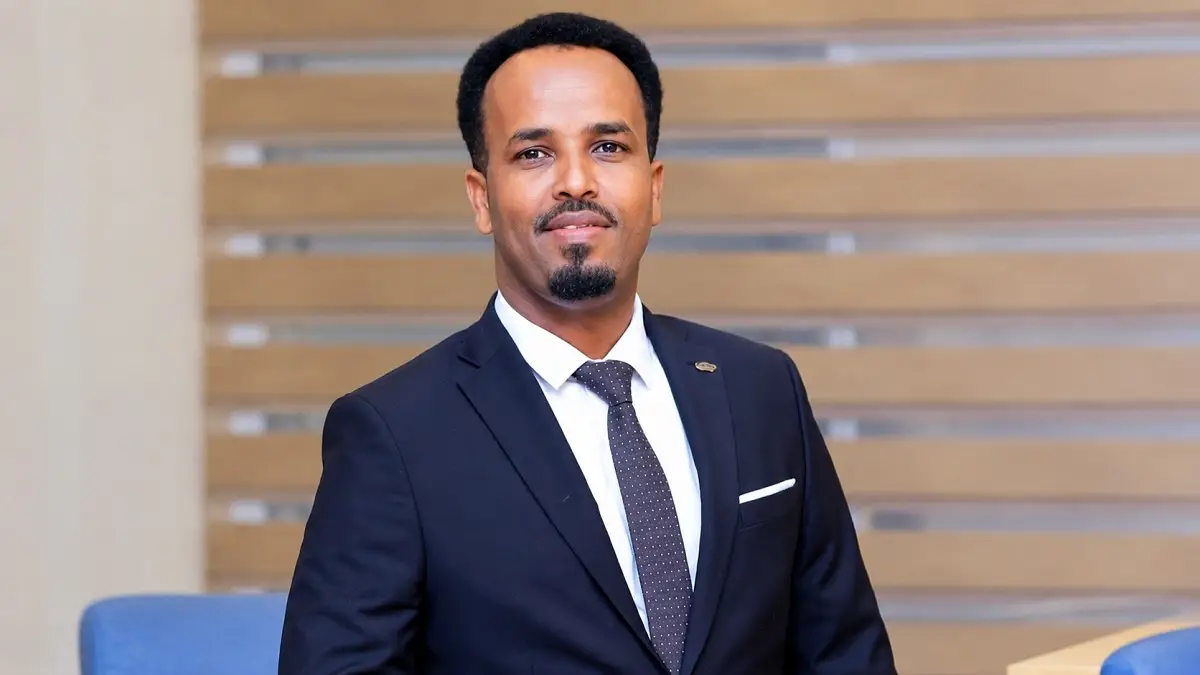
That figure is politically significant not simply because of its size, but because of what repeated arrests can do to a democratic society. Democracy is not sustained by elections alone. It also depends on the ability of journalists, opposition politicians, civil-society organizations and ordinary citizens to scrutinize government decisions without fearing detention or retaliation.
From Democratic Credentials to Democratic Contradictions
President Irro’s administration came to power with a political history that made expectations for democratic governance particularly high. Irro himself spent years as an opposition politician and previously served as Speaker of Somaliland’s House of Representatives. His political rise was therefore closely associated with electoral competition and the transfer of power through the ballot box.
That background makes the current pressure on independent journalism particularly consequential.
The problem is not merely whether individual journalists have violated specific laws. Governments have the legitimate responsibility to investigate criminal allegations and maintain public order. The democratic question is whether detention is being used proportionately, whether journalists are promptly informed of charges, whether they receive due process and whether criminal law is being applied consistently rather than selectively against critical reporting.
The detention of journalist Abdiqani Hussein Abokor, known as Baylood, illustrates the
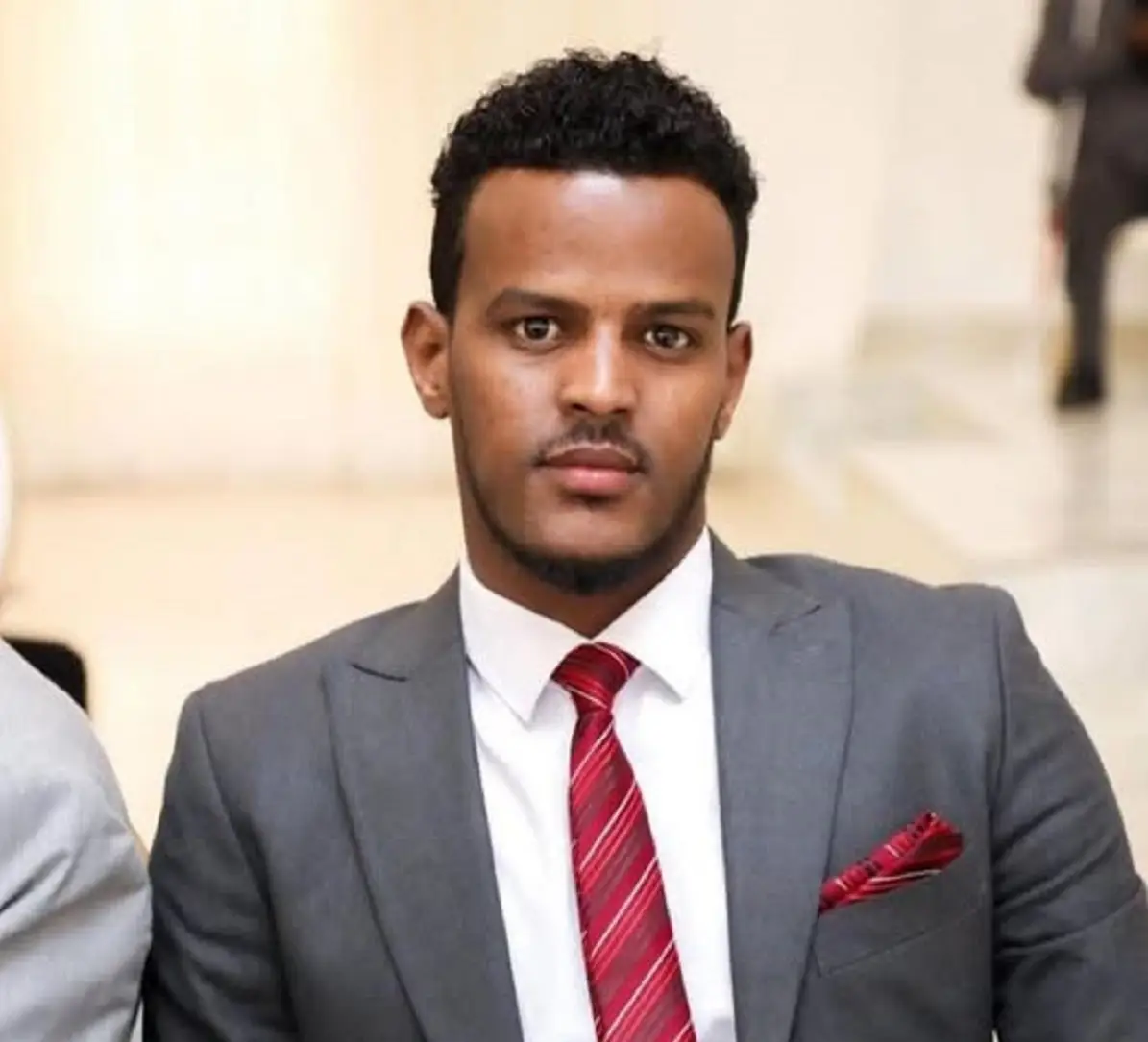
concern. His August 2026 detention was reported as the 46th journalist detained since President Irro took office. Journalist Baylood was detained after conducting an interview with a poet.
The Committee to Protect Journalists (CPJ) subsequently called for Baylood’s release, noting that he had been held without charge and that authorities had failed to formally present charges in court even after ten days in custody. CPJ described him as part of a wider pattern involving journalists detained under questionable circumstances.
This distinction matters. A democratic government can prosecute a journalist when there is credible evidence of an ordinary criminal offense. What undermines democratic institutions is the normalization of detention without timely judicial scrutiny.
The Press Is Not the Enemy of Recognition
The contradiction becomes even sharper as Somaliland intensifies its diplomatic campaign for international recognition.
President Irro’s recent arrival in Washington placed Somaliland’s democratic credentials before an international audience at precisely the moment when concerns about domestic civil liberties are becoming harder to ignore.
The government’s international argument depends partly on portraying Somaliland as a stable, democratic and institutionally distinct political entity. But recognition campaigns are ultimately judged not only by diplomatic relationships, strategic interests or geopolitical calculations. They are also influenced by the credibility of the institutions a prospective state claims to represent.
That is why criticism from within Somaliland should not be treated as an obstacle to recognition. It should be understood as a test of whether the country’s democratic institutions can withstand scrutiny.
Somaliland lawmaker, Dr Issa Kayd, recently raised precisely this contradiction, questioning how the government can lobby Washington for recognition as a democratic country while fundamental freedoms are being restricted at home.
The argument exposes a potentially damaging gap between Somaliland’s external democratic narrative and its internal political practice.
If Somaliland tells foreign governments that it deserves recognition because it has built democratic institutions, then the logical response from those governments is to examine whether those institutions protect dissent, independent journalism and political pluralism when they become inconvenient.
When Detention Becomes a Political Signal
The cumulative effect of journalist arrests is more important than any individual case.
One detention may be explained as an isolated law-enforcement action. A second may be defended as a misunderstanding. But when dozens of journalists are detained during a relatively short political period, the issue becomes systemic.
The consequence is not necessarily that every journalist is formally censored. A more subtle danger is self-censorship.
Editors may avoid politically sensitive investigations. Reporters may decide not to interview critics. Television stations may soften their coverage of government failures. Online journalists may remove controversial posts before authorities can object. Sources may become reluctant to speak publicly.
In that environment, the government does not need to close every newsroom. Fear can achieve much of the same result.
That is precisely why press freedom is a democratic institution rather than merely a professional privilege for journalists. Independent journalism provides citizens with information they need to evaluate those in power. When journalists become afraid to investigate, the public loses an important mechanism for holding government accountable.
The SOLJA Question: Independence of the Watchdog
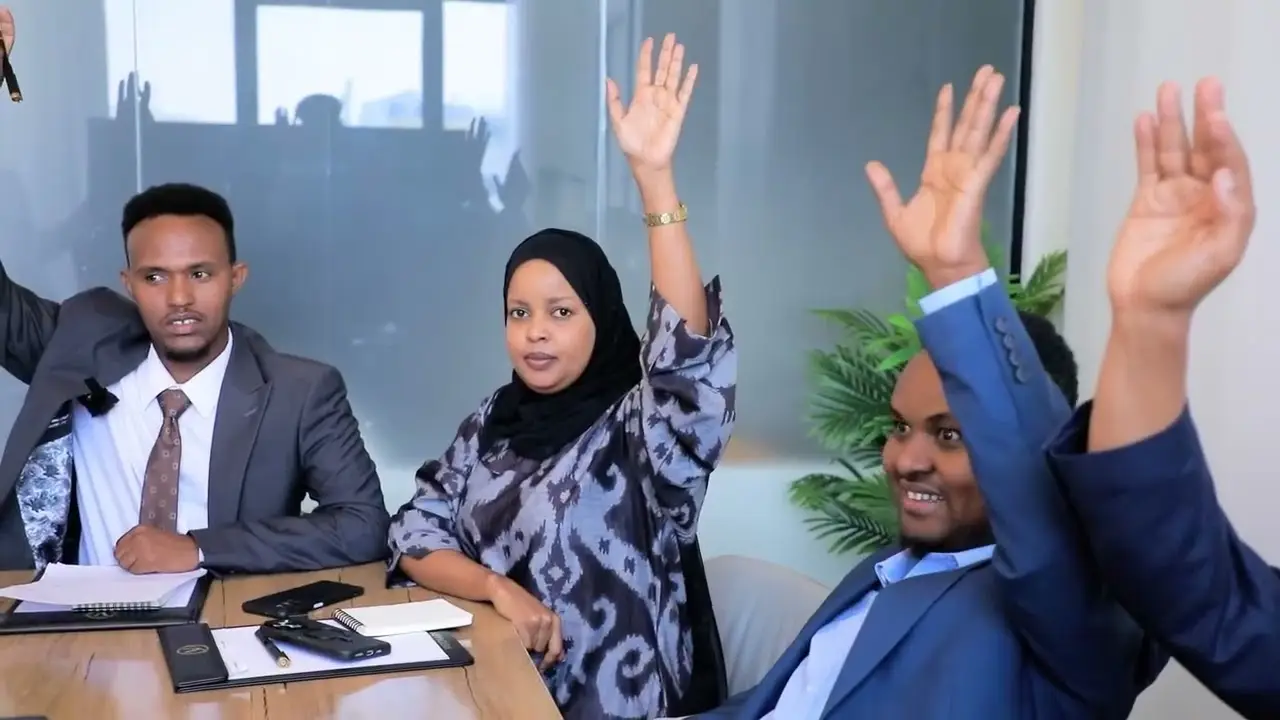
The controversy surrounding the Somaliland Journalists Association (SOLJA) adds another layer to the problem.
A recent leadership change has raised questions about an internal struggle within SOLJA and whether the organization’s institutional independence is being weakened by political interference or a government-backed attempt to reshape its leadership. The dispute is significant because SOLJA has historically served as one of the principal organizations representing journalists and advocating for media freedom.
If a journalists’ association becomes politically captured, the consequences extend beyond its internal administration.
An independent journalists’ association should be able to criticize government policies, defend detained reporters, monitor violations and negotiate with authorities without fearing political retaliation. Its credibility depends precisely on its ability to represent journalists regardless of their political affiliations or editorial positions.
Any attempt—whether proven or merely perceived—to bring such an organization under government influence would therefore create a serious institutional conflict of interest.
The government should not be the institution that journalists’ representative organizations fear most.
A president confident in his democratic mandate should have little reason to fear an independent press. A government confident in its policies should be prepared to defend them publicly. And a political system confident in its institutions should allow courts – not political power – to determine whether journalists have committed crimes.
Somaliland’s Democratic Brand Is at Risk
Somaliland’s democratic reputation was not created by public-relations campaigns. It emerged from a political culture in which elections, negotiated political settlements, opposition parties and relatively open public debate became important components of governance.
The danger facing president Irro’s administration is that it may unintentionally weaken some of the very institutions that distinguish Somaliland from authoritarian political systems in the region.
A government can win an election and still undermine democracy. It can maintain parliament, hold elections and operate political parties while gradually narrowing the space in which citizens can criticize those institutions.
That process is sometimes more difficult to identify than an outright suspension of democracy because the formal structures remain intact.
This is why the current situation should be understood as an institutional warning rather than simply a press dispute.
The concern is not that Somaliland has suddenly ceased to be democratic. Rather, the concern is that some of the practices that make democracy meaningful – independent journalism, institutional checks, judicial due process and the protection of dissent – are showing signs of serious strain.
Recognition Abroad, Accountability at Home
The irony is particularly striking because the Irro administration is simultaneously seeking greater international legitimacy.
Somaliland’s diplomatic campaign requires it to persuade governments in Washington and elsewhere that its political institutions are mature enough to justify international recognition. That argument becomes considerably more difficult if journalists are repeatedly detained and civil-liberties concerns are raised by members of Somaliland’s own political establishment.
The answer should not be to silence criticism in order to protect Somaliland’s international image. It should be the opposite.
If Somaliland wants to demonstrate democratic maturity, the government should allow criticism to become evidence of institutional confidence rather than treating criticism as a threat.
The strongest response to a critical journalist is not detention. It is transparency, rebuttal and, where necessary, an independent judicial process.
Likewise, the strongest response to an opposition lawmaker is not political pressure. It is evidence and public debate. And the strongest response to international criticism is not dismissal. It is reform.
A Test for President Irro
President Abdirahman Mohamed Abdilahi now faces a test that extends beyond his government’s immediate political interests.
He can allow the current trajectory to continue, arguing that detained journalists are being investigated under the law and that the government is merely enforcing public order. Or he can recognize that the repeated detention of journalists is becoming a reputational and institutional problem and use presidential authority to reinforce safeguards for press freedom and due process.
“If Somaliland wants to demonstrate democratic maturity, the government should allow criticism”
The latter would not weaken his administration. It would strengthen it.
A president confident in his democratic mandate should have little reason to fear an independent press. A government confident in its policies should be prepared to defend them publicly. And a political system confident in its institutions should allow courts – not political power – to determine whether journalists have committed crimes.
Somaliland’s democratic achievement will ultimately be measured not by how it treats supporters of the government, but by how it treats those who challenge it.
The detention of Hassan Galleydh, following the case of Abdiqani Baylood and a wider series of journalist detentions, therefore represents more than another press-freedom controversy. It is a warning about the direction of Somaliland’s political institutions.
For President Irro, the choice is increasingly clear: protect the democratic institutions that helped bring his administration to power, or allow the gradual erosion of those institutions to become part of his political legacy.
Somaliland’s international recognition campaign may be conducted in Washington, but its democratic credentials are ultimately built – or dismantled – in Hargeisa.
An Indepth Analy by Somalilandpost News.