

Washington (SLpost) – A new analysis in Foreign Policy has called on the United States to recognize Somaliland, arguing that its strategic location along the Gulf of Aden and its proximity to Yemen could make it an increasingly important partner for Washington as security threats in the Red Sea region intensify.
Foreign Policy, a leading U.S.-based international affairs publication founded in 1970, specializes in analysis and commentary on global politics, geopolitics, diplomacy, international security and economic affairs. Its reporting and analysis draw on journalists, foreign-policy experts and practitioners from around the world.
Published on September 4, the analysis, titled “Why the United States Should Recognize Somaliland,” examines Somaliland’s position within the wider geopolitical competition involving the United States, Israel, Iran and the Houthi movement in Yemen.
The analysis was published just a day before Somaliland President Abdirahman Mohamed Abdullahi (Irro) arrived in Washington, D.C., for a high-level visit focused on strengthening relations with the United States. Its call for Washington to recognize Somaliland therefore comes at a particularly significant moment, as the president’s visit places Somaliland’s diplomatic ambitions and strategic importance in the Horn of Africa directly in the spotlight.
Somaliland’s Strategic Location
The analysis places particular emphasis on Somaliland’s geography. Situated along the Gulf of Aden and opposite Yemen, Somaliland lies close to the Bab el-Mandeb Strait, a vital maritime chokepoint connecting the Red Sea with the Gulf of Aden and the Indian Ocean.
The area has gained greater strategic significance as attacks by the Iran-aligned Houthi movement have raised concerns over the safety of commercial shipping and the security of one of the world’s major maritime trade routes.
Against this backdrop, Somaliland’s coastline, port infrastructure and proximity to Yemen could offer Washington additional strategic options for monitoring and responding to emerging threats in the region.
Berbera’s Growing Strategic Importance
The article also highlights the importance of Berbera, Somaliland’s principal port city, as part of the the country’s broader strategic value.
Berbera’s location provides access to the Gulf of Aden while offering an alternative position from which regional maritime activity and developments across the water in Yemen can be monitored.
The analysis argues that Washington should increasingly consider Somaliland through the lens of its strategic interests rather than viewing the Horn of African country solely through the longstanding political dispute between Hargeisa and Mogadishu.
Iran and the Houthi Threat
The changing security environment surrounding the Red Sea is central to the argument for reassessing Somaliland’s position.
Iran’s expanding regional influence and the military capabilities of the Houthis have made the Gulf of Aden and Red Sea increasingly important to U.S. policymakers. Houthi attacks on commercial vessels have demonstrated how instability in Yemen can have consequences far beyond the country itself, disrupting international shipping and increasing the security burden on regional and international powers.
Somaliland’s location directly across the Gulf of Aden from Yemen therefore gives it strategic relevance in any broader American effort to protect maritime commerce and counter threats emerging from the Arabian Peninsula.
Israel’s Recognition Adds a New Dimension
The discussion also comes against the backdrop of Israel’s recognition of Somaliland in December 2025, a decision that significantly intensified international attention on Somaliland’s diplomatic status.
The move was strongly opposed by Somalia and several regional organizations and governments, while supporters argued that it reflected Somaliland’s growing strategic importance.
Israel’s recognition has also placed Somaliland more prominently within discussions about security around the Red Sea and the Gulf of Aden, particularly because of its geographic proximity to Yemen.
A Debate Over U.S. Policy
The analysis comes as debate continues in Washington over whether the United States should reconsider its longstanding approach to Somaliland.
For supporters of recognition, Somaliland’s relative stability, strategic coastline and position near one of the world’s most important maritime corridors provide reasons for Washington to establish a more direct relationship with Hargeisa.
The question is therefore not simply whether Somaliland deserves diplomatic recognition, but whether its strategic importance has reached a point where Washington’s broader security interests warrant a fundamental policy shift.
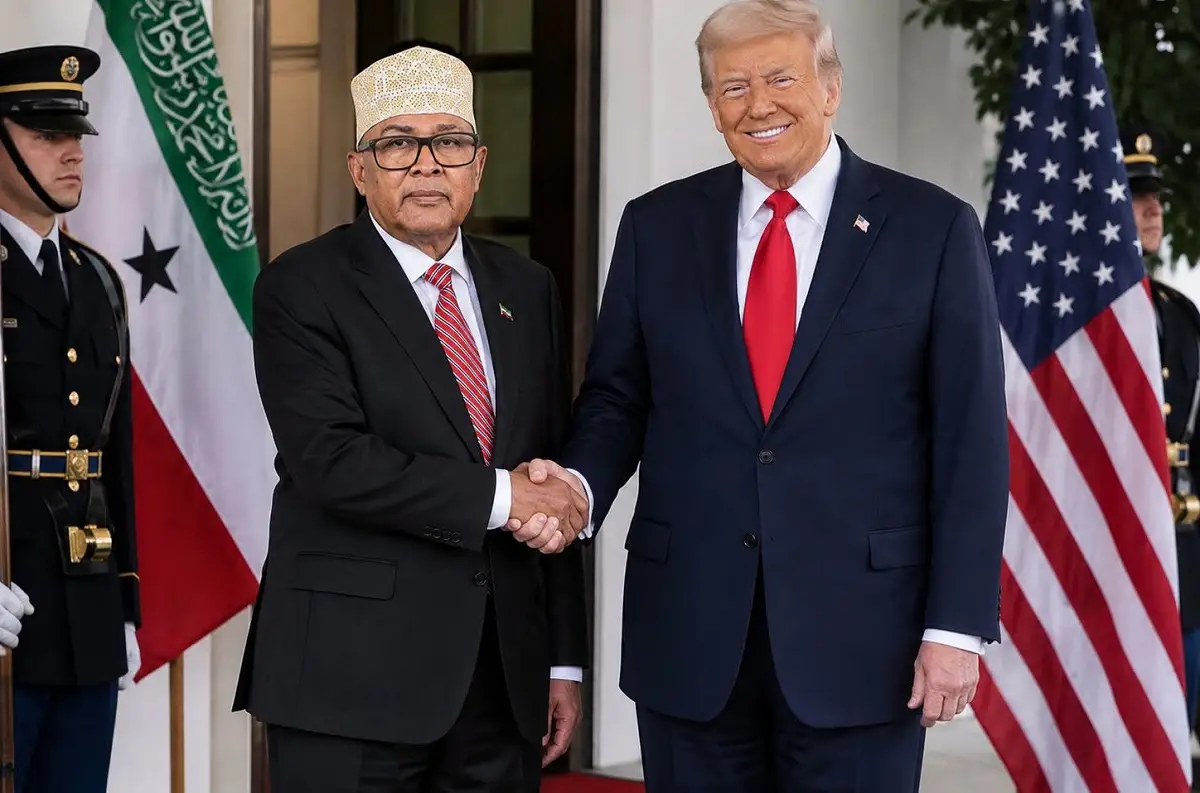
Somaliland’s Strategic Profile Gains Attention
The latest analysis adds to increasing international discussion about Somaliland’s role in the evolving security architecture of the Red Sea and Gulf of Aden.
For Hargeisa, greater attention from policymakers in Washington could strengthen its argument that its political status should be considered alongside its strategic contribution to regional security.
For the United States, meanwhile, Somaliland offers a potentially significant geographic position at a time when maritime security, Iranian influence and Houthi activity are reshaping the strategic calculations of governments operating around the Red Sea.
The debate over recognition is therefore increasingly extending beyond Somaliland’s political dispute with Somalia to a broader question of U.S. strategic interests in the Horn of Africa and the Red Sea.
Reporting by Somalilandpost News
Foreign Policy, a leading U.S.-based international affairs publication founded in 1970, specializes in analysis and commentary on global politics, geopolitics, diplomacy, international security and economic affairs. Its reporting and analysis draw on journalists, foreign-policy experts and practitioners from around the world.