

Riyadh — A major Iranian missile-and-drone strike on Prince Sultan Air Base early Thursday destroyed a U.S. Air Force E-3 Sentry AWACS aircraft and damaged several other American platforms, marking one of the most significant blows to U.S. aerial command-and-control capabilities in decades.
U.S. officials say several refueling tankers were also damaged and at least a dozen U.S. personnel wounded. The attack penetrated multiple layers of air defense, striking deep inside Saudi territory.
The destruction of the AWACS — a rare, high-value airborne command-and-control aircraft — reduces U.S. surveillance and coordination capabilities across the Gulf at a moment of heightened tension with Iran.
Analysts say the strike showcases Iran’s expanding missile reach and signals Tehran’s willingness to hit American assets beyond the traditional conflict zones of Iraq and Syria.
While the U.S. military retains other airborne and satellite-based surveillance systems, the loss of an AWACS reduces real-time command-and-control capacity across the Middle East. Analysts expect the Pentagon to reposition assets and bolster air defenses at regional bases.
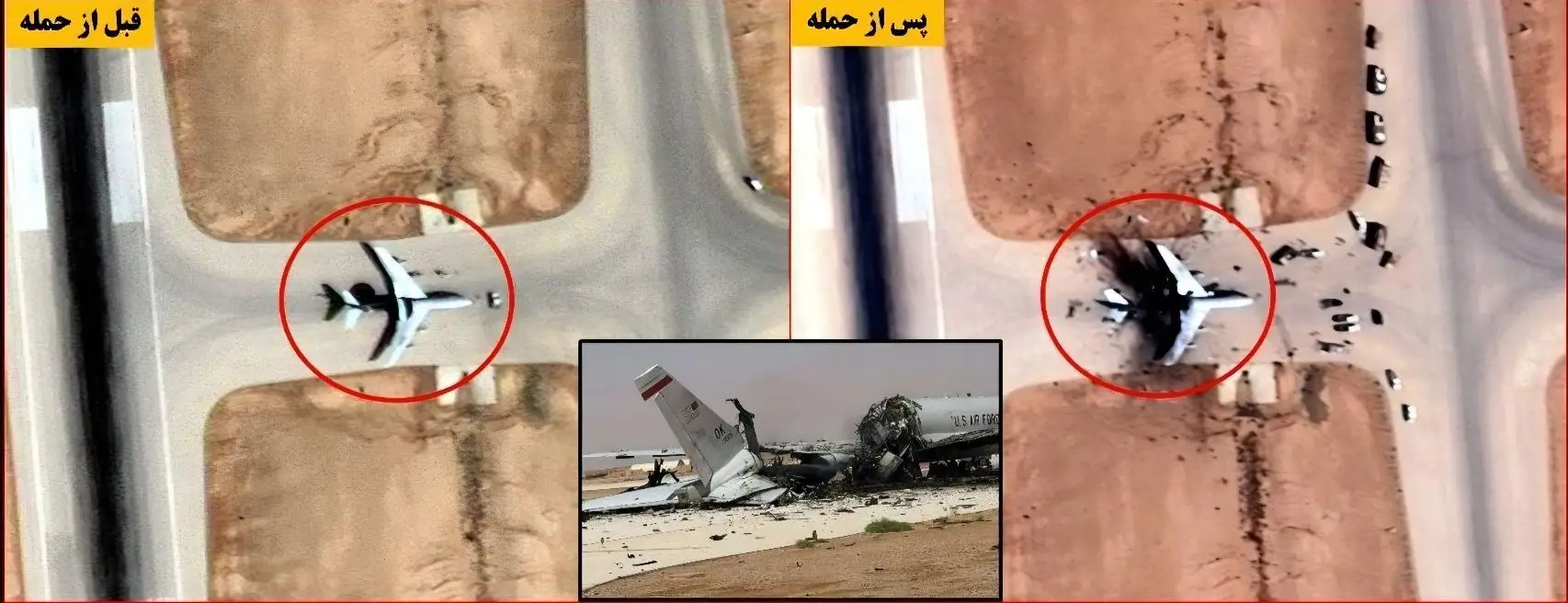
The Pentagon has already moved additional naval vessels and air-defense systems into the Gulf, preparing for what officials describe as “a more complex operational environment.”
The Pentagon is expected to reinforce air defenses and reposition forces in the region, warning that the operational environment has become “significantly more complex.”
The incident adds new urgency to regional security discussions as the U.S., Israel, and Gulf allies brace for potential further escalation.
What Is the E-3 AWACS and Why Its Loss Matters
The destroyed aircraft — the E-3 Sentry Airborne Warning and Control System (AWACS) — is often described as the backbone of U.S. air operations in the Middle East.
Equipped with a distinctive rotating radar dome, the AWACS provides:
- Long-range detection of enemy missiles, drones, and aircraft
- Real-time command and control for fighter jets
- Communication and battle management across large regions
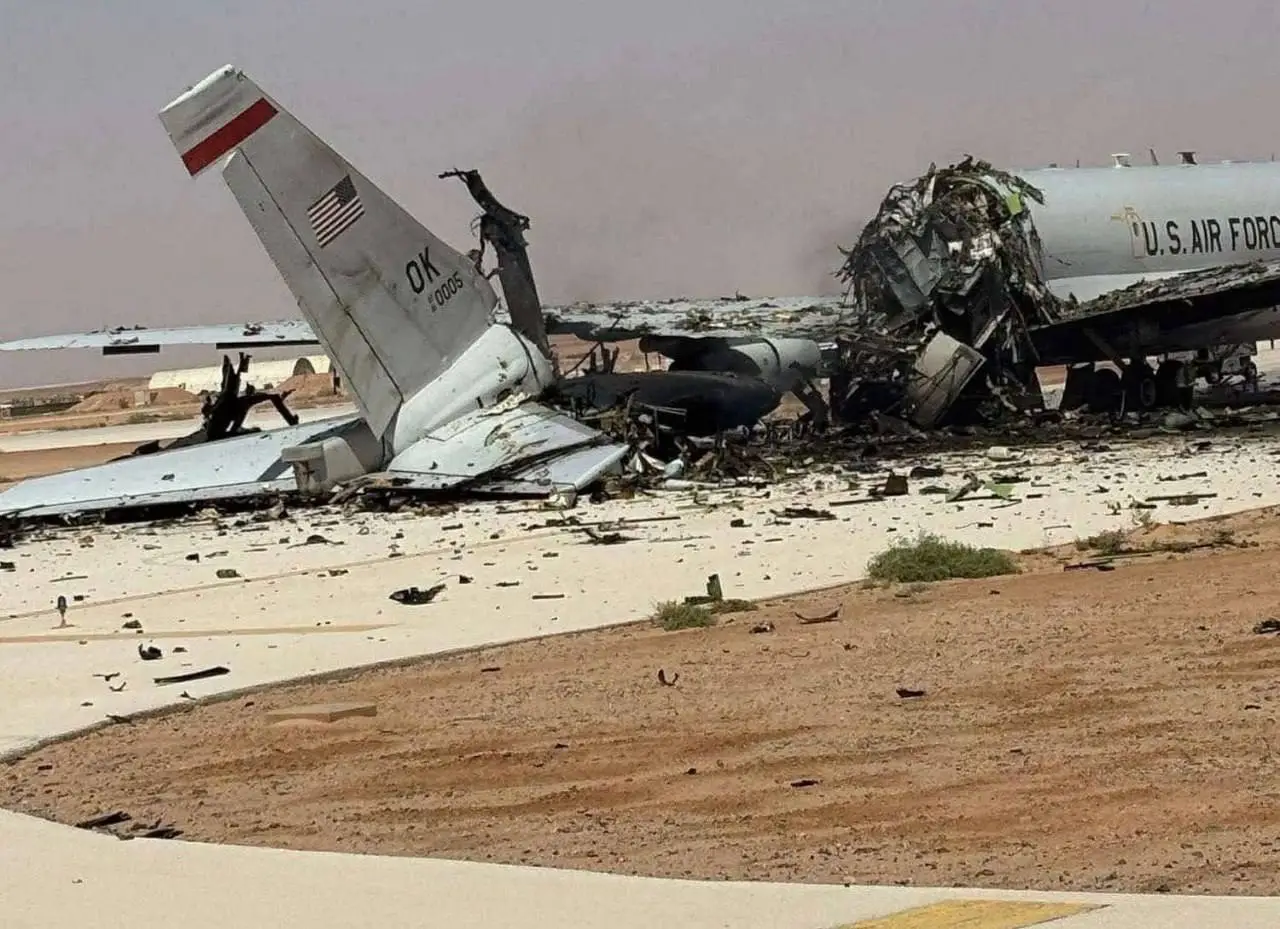
With only a limited number of E-3s still in active service, the U.S. faces a major capability gap. Replacing the aircraft will not be quick, as the fleet is aging and awaiting transition to the newer E-7 Wedgetail.
Military analysts say the loss will affect the U.S. military’s ability to oversee airspace during high-tempo operations.
“This is a major hit to U.S. early-warning capability in the Gulf,” one regional defense analyst said. “It reduces situational awareness at a time when Iran is expanding its missile reach.”
Why Iran Targeted Prince Sultan Air Base
Prince Sultan Air Base is one of the most heavily fortified U.S. military facilities in the region. Its location deep inside Saudi Arabia was believed to place it relatively safe from Iran’s conventional missile systems.
Iran’s ability to strike the base underscores:
- Expanding precision capabilities
- Longer-range missile technology
- A willingness to hit U.S. assets outside Iraq and Syria
Tehran framed the strike as retaliation for recent American and Israeli actions in the region.
Regional Reaction and What Comes Next
Gulf governments are reportedly reassessing their missile-defense cooperation with the United States. For Saudi Arabia, the strike is a reminder of the growing missile threat from Iran’s expanding arsenal.
Diplomats warn that further escalation could draw more regional actors into the conflict, including Gulf states that have tried to maintain cautious neutrality.
The destruction of a U.S. E-3 AWACS at Prince Sultan Air Base marks a turning point in the U.S.–Iran confrontation. It is both a strategic setback for Washington and a clear demonstration of Iran’s advancing strike capabilities. As tensions rise across the Middle East, analysts warn that the region may be entering one of its most dangerous phases in years.
Source: Somalilandpost and Agencies