
Hargeisa (SLpost) — A young mother, identified as Nimco Jama Yusuf Raage, reportedly died by suicide at Hargeisa Group Hospital on Friday night, following what her family described as severe financial, social and health-related difficulties.
According to members of Nimco’s family, she had spent approximately two weeks at Hargeisa Group Hospital after being brought from the Geed-deeble area. Her family is originally from and resides in the Anaya area north of Hargeisa.
The family said Nimco had recently given birth to her first child. They reported that the newborn subsequently became ill and that Nimco struggled to obtain the medication and treatment required for the baby.
Family members said Nimco’s body was discovered in the hospital’s blood-bank storage area. They also said a note found near her reportedly contained details of the costs of medication prescribed for her newborn.
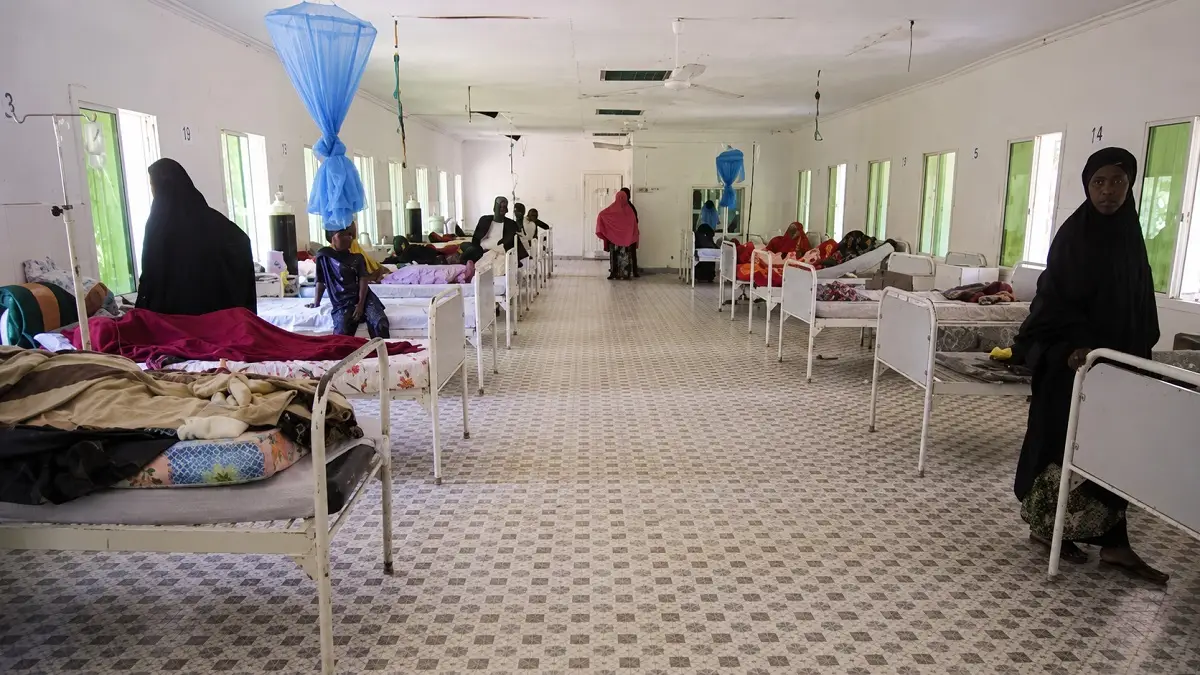
Her body has been transferred to the mortuary at Hargeisa Group Hospital, where an examination is expected to be conducted to establish the circumstances and cause of her death.
The newborn remains alive and is receiving treatment in the hospital’s neonatal unit. According to the family, the baby is in critical condition.
The incident has caused deep sorrow among Nimco’s family and members of the wider community, while raising concerns about the difficulties faced by vulnerable mothers seeking medical care and essential medication.
Further details regarding the circumstances surrounding Nimco’s death are expected following the completion of the relevant examination and investigation.
May Allah have mercy on Nimco Jama Yusuf Raage and grant her newborn child a full and speedy recovery.
Deteriorating health Concerns
Concerns over the quality and cost of healthcare services at Hargeisa General Hospital have intensified in recent weeks, with patients and members of the public raising questions about the hospital’s provision of medical services.
The hospital, which is a public healthcare institution supported by public funds and taxpayer revenue, has traditionally been expected to provide essential medical services in the public interest. However, recent reports and complaints suggest that some services are increasingly being delivered in a manner that patients say resembles the fee-based model commonly associated with private hospitals.

Among the latest concerns are complaints from kidney patients receiving dialysis treatment at the hospital. Patients who recently spoke to the media alleged that they have faced high costs and difficulties accessing essential medical services and supplies required for their treatment.
The complaints have sparked renewed debate over whether patients at a publicly funded hospital should be required to pay significant fees for essential services, particularly for treatments such as dialysis that are vital to the survival and wellbeing of patients with chronic kidney disease.
The growing concerns have also prompted calls for greater transparency regarding the fees charged at the hospital, the management of medical supplies and medicines, and the way public funds allocated to the hospital are being used.
Reporting by Somalilandpost News