
Somalilandpost News Analysis, written by Kadar Kaariye
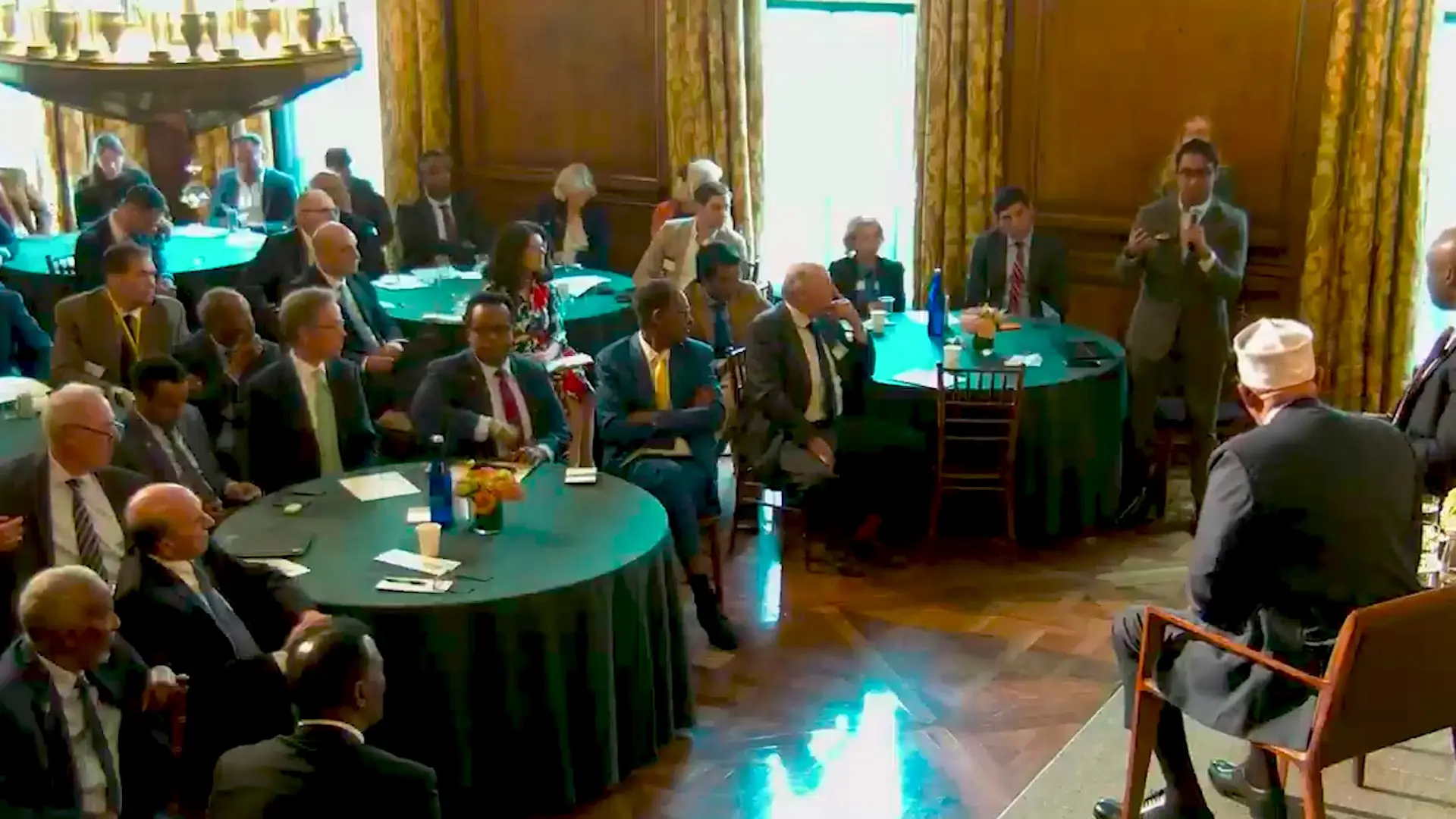
NEW YORK (SLpost)- The Council on Foreign Relations (CFR) session with Somaliland President Abdirahman Mohamed Abdullahi (Irro) offered a significant platform for examining Somaliland’s international recognition campaign within the broader context of U.S. foreign policy, Horn of Africa security and the evolving geopolitical dynamics of the Red Sea.
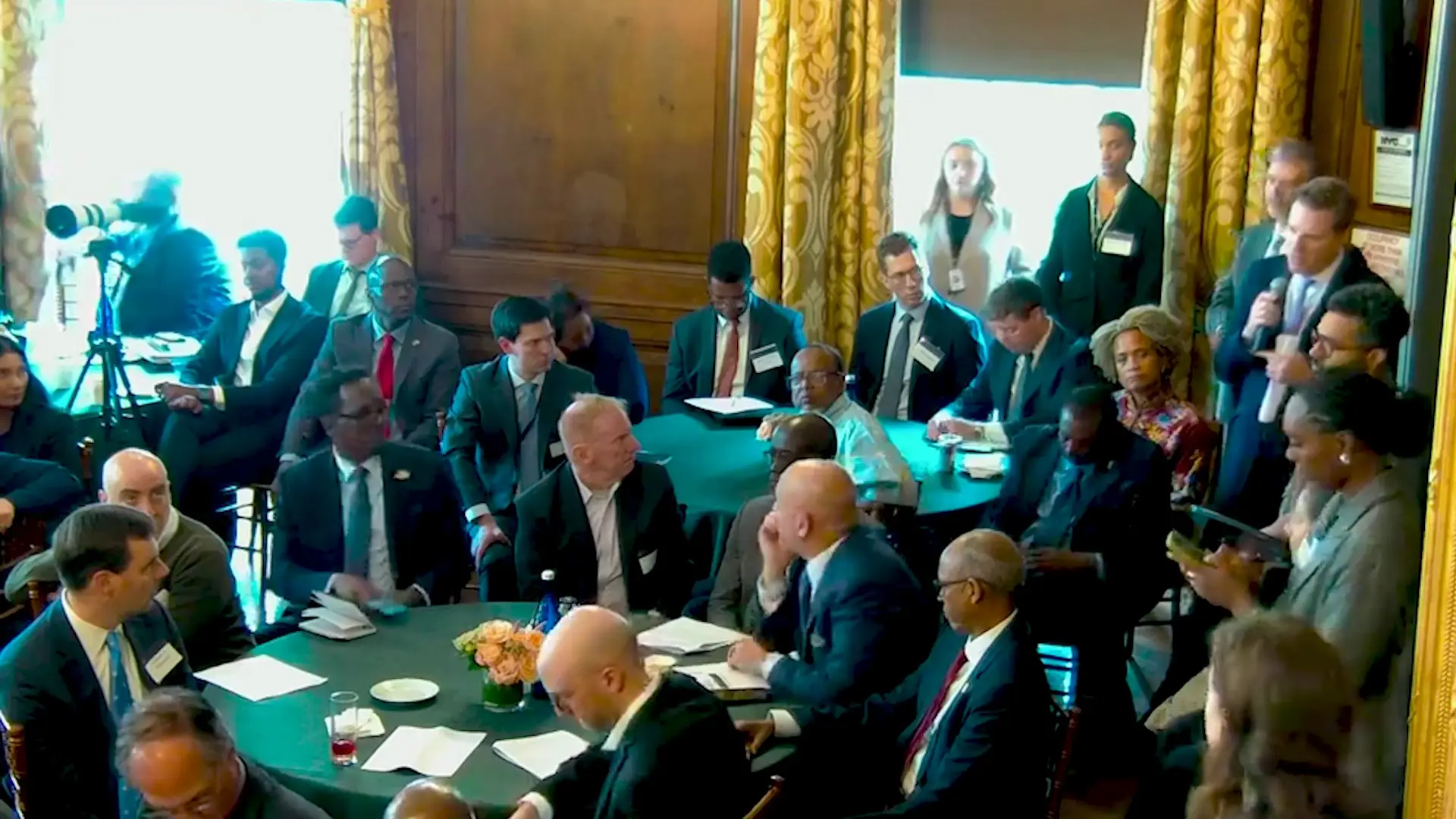
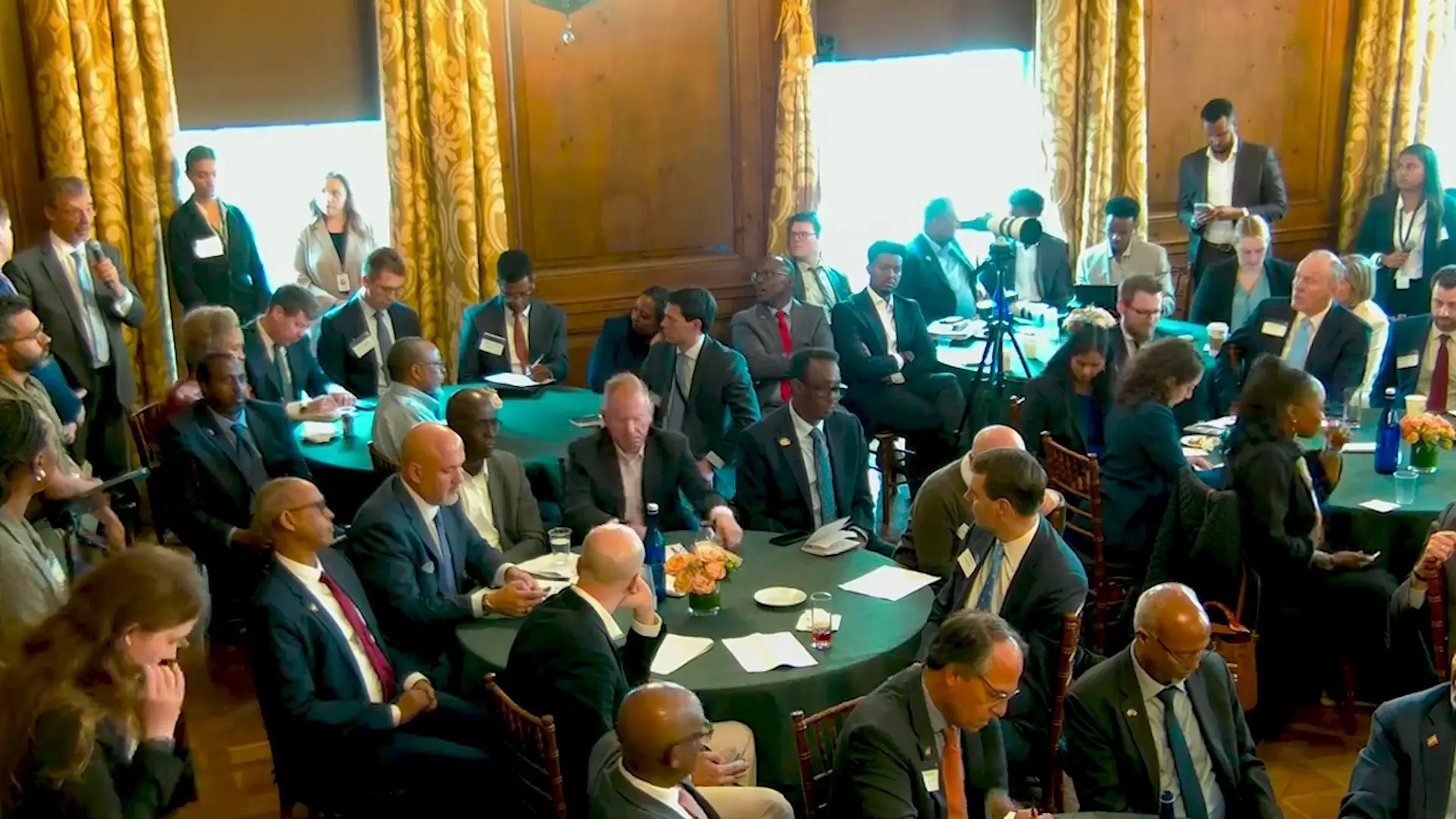
The significance of the session extended beyond the President’s opening remarks. The subsequent question-and-answer exchange brought Somaliland’s position under direct scrutiny from participants with backgrounds in international law, diplomacy, regional security, investment, journalism and higher education. The questions addressed some of the principal issues shaping international perceptions of Somaliland, including its recognition, maritime security, relations with the United States and Israel, the UAE’s interest in Berbera, cooperation with Taiwan, critical minerals, investment and domestic security.
From Somalilandpost News’ analysis, the political significance of the session lies in the way Somaliland’s recognition argument was presented alongside broader strategic considerations. President Irro repeatedly connected Somaliland’s international aspirations to issues of direct relevance to policymakers and strategic stakeholders, including the security of maritime trade, Red Sea stability, counterterrorism, investment, natural resources and regional connectivity.
This framing potentially gives Somaliland’s diplomatic campaign a broader policy context. Rather than treating recognition solely as a historical or legal question, the discussion placed it within a wider assessment of what Somaliland could offer as a potential security, economic and regional partner. The President used questions on Red Sea security, investment and critical minerals to emphasize Somaliland’s geographic position and economic potential, while questions on Taiwan, Israel and the UAE brought its existing international relationships into the broader geopolitical discussion.
The session also provided an opportunity for President Irro to address issues that have the potential to influence U.S. policy discussions about Somaliland. Questions concerning al-Shabaab and Somaliland’s locally developed peace process allowed him to explain the country’s security model, while questions about possible U.S. and Israeli security cooperation provided an opportunity to clarify Somaliland’s current position on foreign military presence and future partnerships.
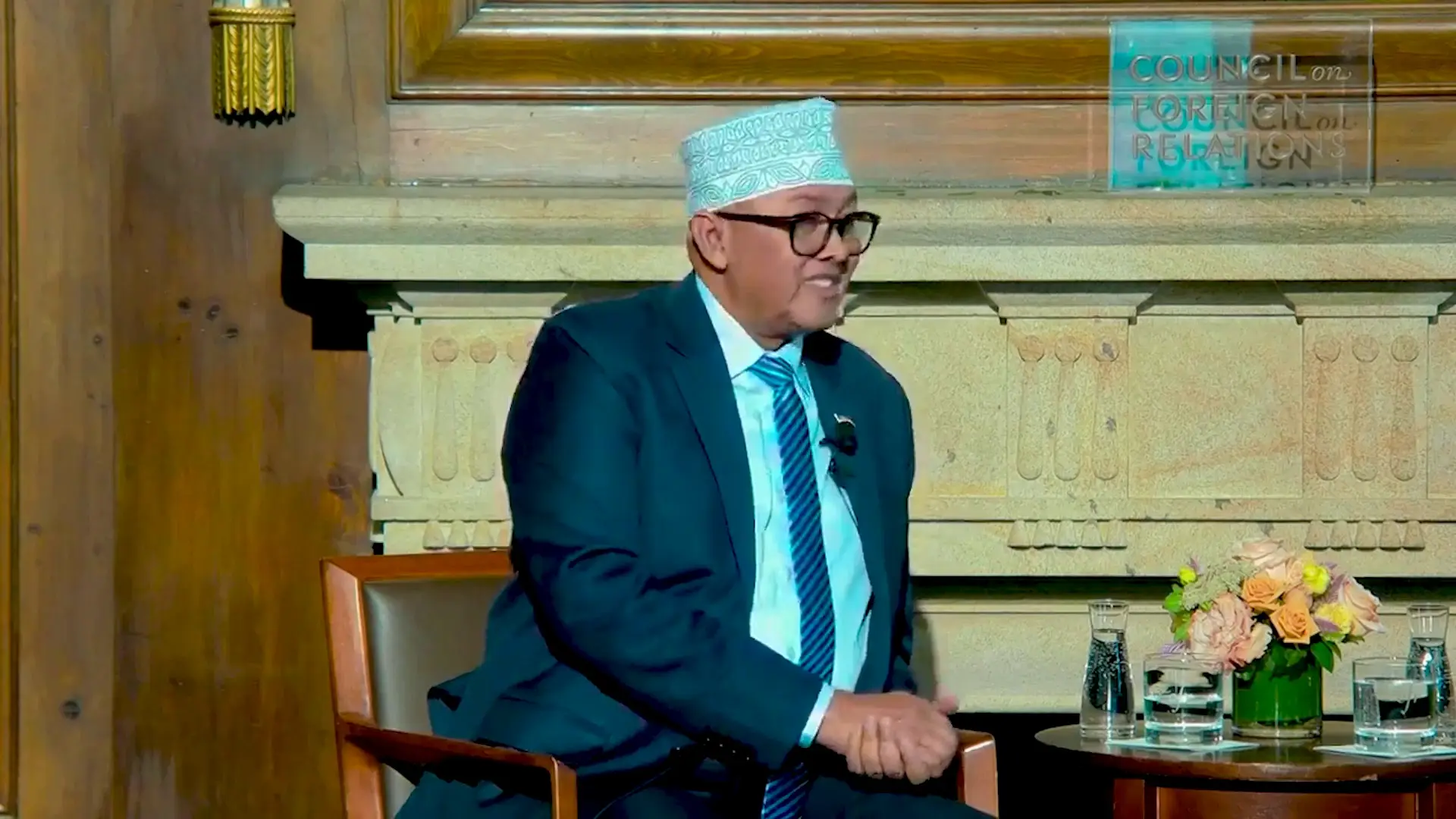
From a diplomatic perspective, the value of the CFR appearance is therefore best understood through the policy conversation it generated. The session placed Somaliland’s recognition campaign alongside questions of U.S. strategic interests in the Horn of Africa and Red Sea, while giving the President an opportunity to articulate Somaliland’s priorities directly before an audience engaged in international policy and regional affairs.
At the same time, the exchange demonstrated that Somaliland’s international campaign will continue to be examined through several interconnected questions: how recognition would affect regional security, how Somaliland’s foreign partnerships fit within wider geopolitical competition, what economic opportunities it can offer international investors, and how its domestic security and governance experience can inform its case for international engagement.
Somalilandpost News is presenting its analysis of this CFR session in two parts. Part One examines the questions and responses concerning Somaliland’s recognition case, Red Sea and maritime security, U.S. recognition, investment, domestic security and critical minerals. Part Two will examine the remaining exchanges, including questions concerning Israel and the United States, the UAE and Berbera, Somaliland’s relationship with Taiwan and China, and prospects for international cooperation in higher education.
Together, the two parts examine not only what President Irro said during the session, but also the broader political and diplomatic significance of the questions he was asked and the strategic arguments presented in response.
A Question About Yugoslavia and Somaliland’s Recognition Case
The first substantive question came from Mark Vlasic of Georgetown University, who drew on his experience in international law and the former Yugoslavia.
Vlasic asked whether Somaliland had considered the lessons of the breakup of Yugoslavia and the Soviet Union, particularly the process through which several constituent republics became independent states.
President Irro responded by referring to his own experience in Moscow between 1988 and 1996. He recalled witnessing the transformation of the Soviet Union and the emergence of multiple independent states.
He contrasted the international acceptance of the former Soviet and Yugoslav republics with Somaliland’s continued lack of broad recognition, ending with a rhetorical question about why Somalia should remain together indefinitely while other multinational states were permitted to dissolve into separate countries.
The exchange placed Somaliland’s recognition argument within a broader historical discussion about state dissolution, self-determination and the international treatment of former constituent territories.
Somaliland Presents Itself as a Red Sea Security Partner
Ariel Cohen of the Atlantic Council and CFR then shifted the discussion to regional security.
Cohen asked about the strategic balance around the Horn of Africa amid Houthi attacks and the growing importance of the Red Sea to international trade and energy security.
President Irro responded by portraying Somaliland as an existing security actor rather than merely a country seeking international protection.
He argued that Somaliland had maintained the security of its waters for decades and was prepared to work with international partners to protect global trade, maritime security and energy flows.
He specifically described Somaliland as ready to become a security partner for the United States and argued that Somaliland could have a major role in safeguarding international commerce.
The argument is significant because Somaliland’s geographic position along the Gulf of Aden has increasingly become part of the strategic discussion surrounding the Red Sea and Bab el-Mandeb.
What Would U.S. Recognition Actually Change?
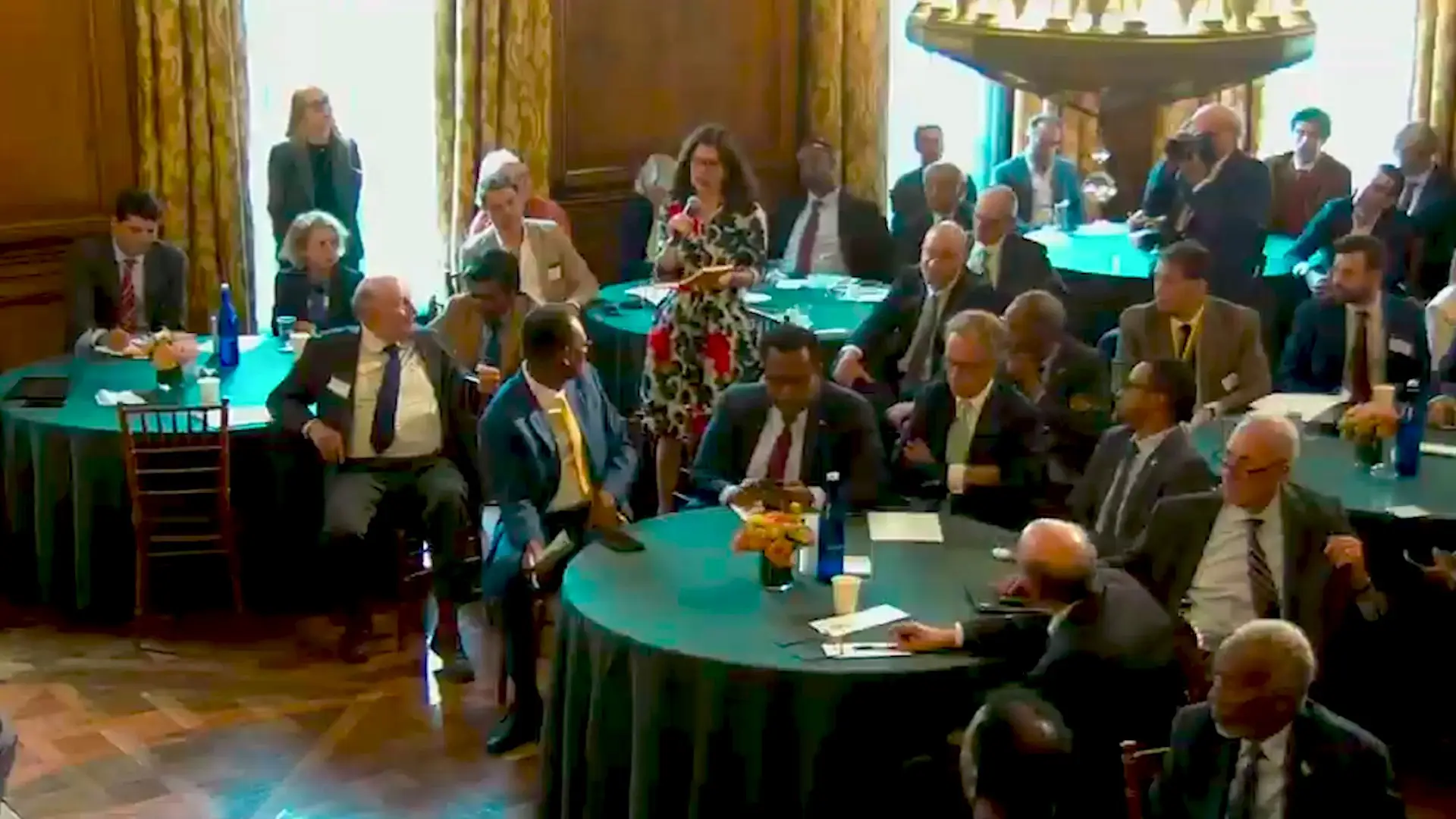
Alexandra Starr of the International Crisis Group asked perhaps one of the most consequential questions of the session: what would Somaliland expect if the United States recognized it?
Her question specifically raised the possibility of a U.S. security umbrella or even military deployment.
President Irro did not commit to a U.S. military deployment. Instead, he emphasized the economic and diplomatic consequences he believes recognition could produce.
He argued that U.S. recognition could encourage other countries to recognize Somaliland, remove barriers to international financial institutions and facilitate greater foreign investment.
He also linked recognition directly to Somaliland’s ability to participate more fully in international trade and finance.
This economic dimension is consistent with CFR’s broader assessment that Somaliland’s lack of international recognition has constrained its access to institutions such as the World Bank and International Monetary Fund.
President Lists Somaliland’s Investment Opportunities
Starr followed up by asking the President to explain specifically what Somaliland could offer American investors.
President Irro identified a broad range of sectors, including minerals; oil and gas; marine resources; livestock and meat exports; tourism; energy; and lastly trade and logistics.
He also presented Somaliland as a potential trade corridor serving landlocked African countries, particularly Ethiopia and markets beyond it.
The answer was effectively an economic pitch to an American audience: recognition, in the President’s presentation, would not only have political consequences but could also create conditions for greater investment and economic integration.
Why Has Somaliland Avoided the Same Extremist Foothold?
One of the most detailed questions came from Jeffrey Laurenti of New Jersey’s Capital City Redevelopment Corporation.
Lente asked why al-Shabaab had failed to establish the same kind of foothold in Somaliland that it has maintained in parts of Somalia.
He also asked about Somaliland’s interaction with international humanitarian organizations and whether its situation could be compared with Taiwan’s relationship with China.
President Irro focused primarily on the question of internal security.
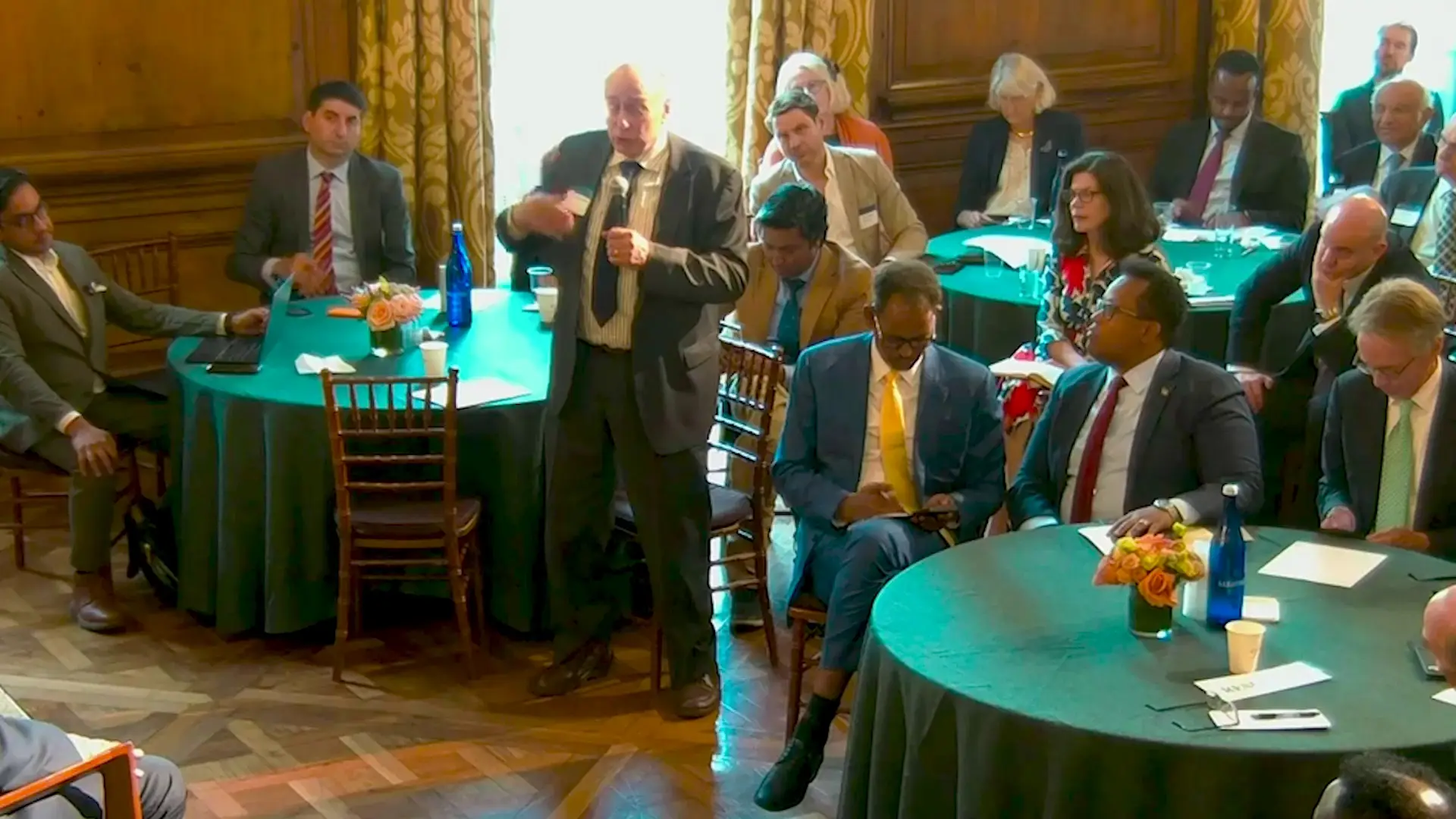
He attributed Somaliland’s relative stability to a locally developed peace process that began after the collapse of Somalia’s central government in 1991.
The President contrasted Somaliland’s “homemade” peace process with internationally organized peace conferences in Somalia.
The president described Somaliland’s peacebuilding process as a strong local ownership, while peace efforts for Somalia were repeatedly organized through international conferences in locations including Djibouti, Addis Ababa, Nairobi, Cairo and Jeddah.
He then described community-based security as another factor.
As an example, he said that if an unfamiliar person attempts to rent a house in Somaliland, residents may alert the police and authorities can conduct background checks.
He summarized the model by saying: “Every Somaliland citizen acts as a police officer.”
The answer presented Somaliland’s security not simply as a function of government forces, but as a system involving community participation and local ownership.
“Every Somaliland citizen acts as a police officer”
Israel, the United States and the UAE
Ishan Tharoor, an Edward R. Murrow Fellow at CFR and columnist at The New Yorker, raised one of the most politically sensitive subjects of the session.
He asked President Irro to clarify reports concerning possible Israeli and Emirati operations in Somaliland.
The President stated that there was no Israeli or U.S. military presence in Somaliland at the moment..
He nevertheless said Somaliland want security partnerships with both Israel and the United States and indicated that discussions were taking place regarding possible U.S. training for Somaliland forces.
He did not rule out future security arrangements.
On the UAE, President Irro acknowledged the Emirati concession at Berbera airport but denied that there was Emirati military presence in Somaliland.
He said journalists had been allowed to inspect the airport and that their observations did not substantiate reports of military presence.
The Trump Question
Tharoor also asked about reports that Somaliland had considered naming Berbera airport after Donald Trump and encouraging construction of a Trump Tower in Hargeisa.
The President responded that, with Trump’s acceptance, Somaliland could call the airport Trump Airport.
He also noted that he had been among the first African leaders to suggest that Trump receive the Nobel Peace Prize. This comment drew applause from the audience.
Critical Minerals: An Opening for U.S. Investors
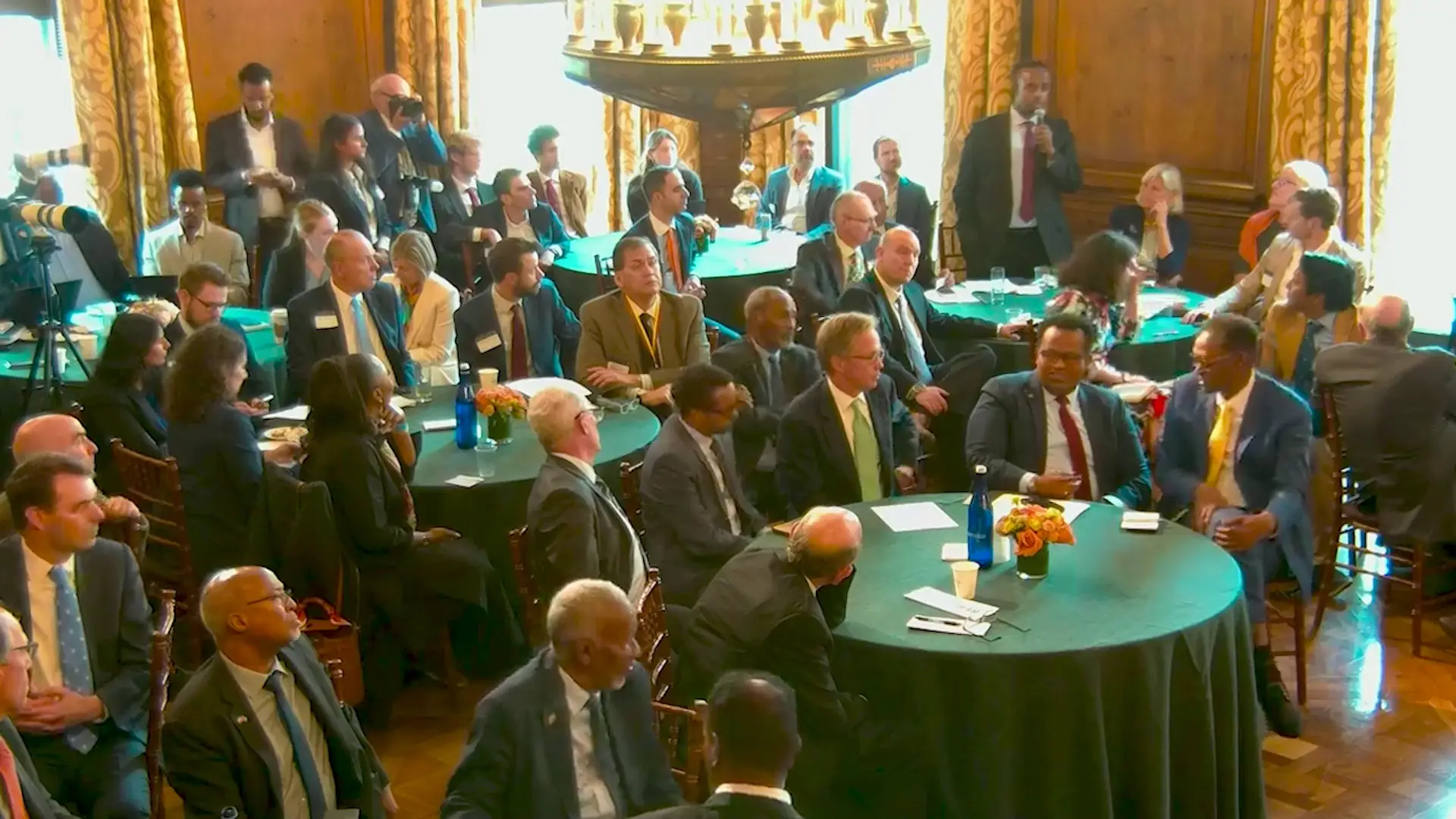
Abdishakour Mohammed of the TiiR Institute then turned the discussion toward critical minerals.
He asked about Somaliland’s strategy as the United States seeks reliable supplies of critical minerals and whether discussions had taken place during the President’s U.S. visit.
President Irro described Somaliland as a free-market economy and said the country is open to investors in all sectors, including minerals.
He acknowledged that several companies had expressed interest in Somaliland’s mineral resources but said there had not yet been a major investment breakthrough.
Interested companies, he said, had been connected with Somaliland’s Ministry of Minerals for further information.
Conclusion: From Recognition to Strategic Relevance
The first part of President Irro’s exchange at the Council on Foreign Relations reveals a diplomatic argument that extends beyond Somaliland’s longstanding pursuit of international recognition. Across questions on the historical experience of statehood, Red Sea security, U.S. recognition, investment, domestic security and critical minerals, the President consistently sought to connect Somaliland’s political aspirations with issues of broader strategic relevance to the United States and the international community.
The significance of this approach lies in the shift from presenting recognition principally as a question of Somaliland’s political and historical status to presenting it within a wider framework of security, economic opportunity and strategic partnership. The President portrayed Somaliland as a potential contributor to maritime security and international trade, while emphasizing its natural resources, geographic position and openness to foreign investment.
The questions themselves were also significant. They demonstrated that Somaliland is increasingly being examined not only through the traditional debate over its relationship with Somalia, but through the practical interests of policymakers, investors and security analysts concerned with the Horn of Africa and the Red Sea.
Yet the discussion also underscored that greater international engagement would bring closer scrutiny. Questions about Somaliland’s security environment, investment climate and strategic resources point to the need for Somaliland to substantiate its diplomatic argument with clear policies, institutional capacity and credible partnerships.
In this respect, the CFR session provided President Irro with an opportunity to place Somaliland’s recognition campaign within a broader strategic conversation – one in which political recognition, regional security and economic interests are increasingly interconnected.
But the most sensitive questions of the session were still to come.
Part Two will examine President Irro’s responses on Israel and the United States, the UAE and Berbera, Taiwan and China, as well as higher education and Somaliland’s broader international partnerships.