
HARGEISA – The people of Somaliland are commemorating the 35th anniversary of the restoration of Somaliland’s independence on May 18, 1991, in what many observers describe as the most politically significant and internationally consequential period in Somaliland’s modern history.
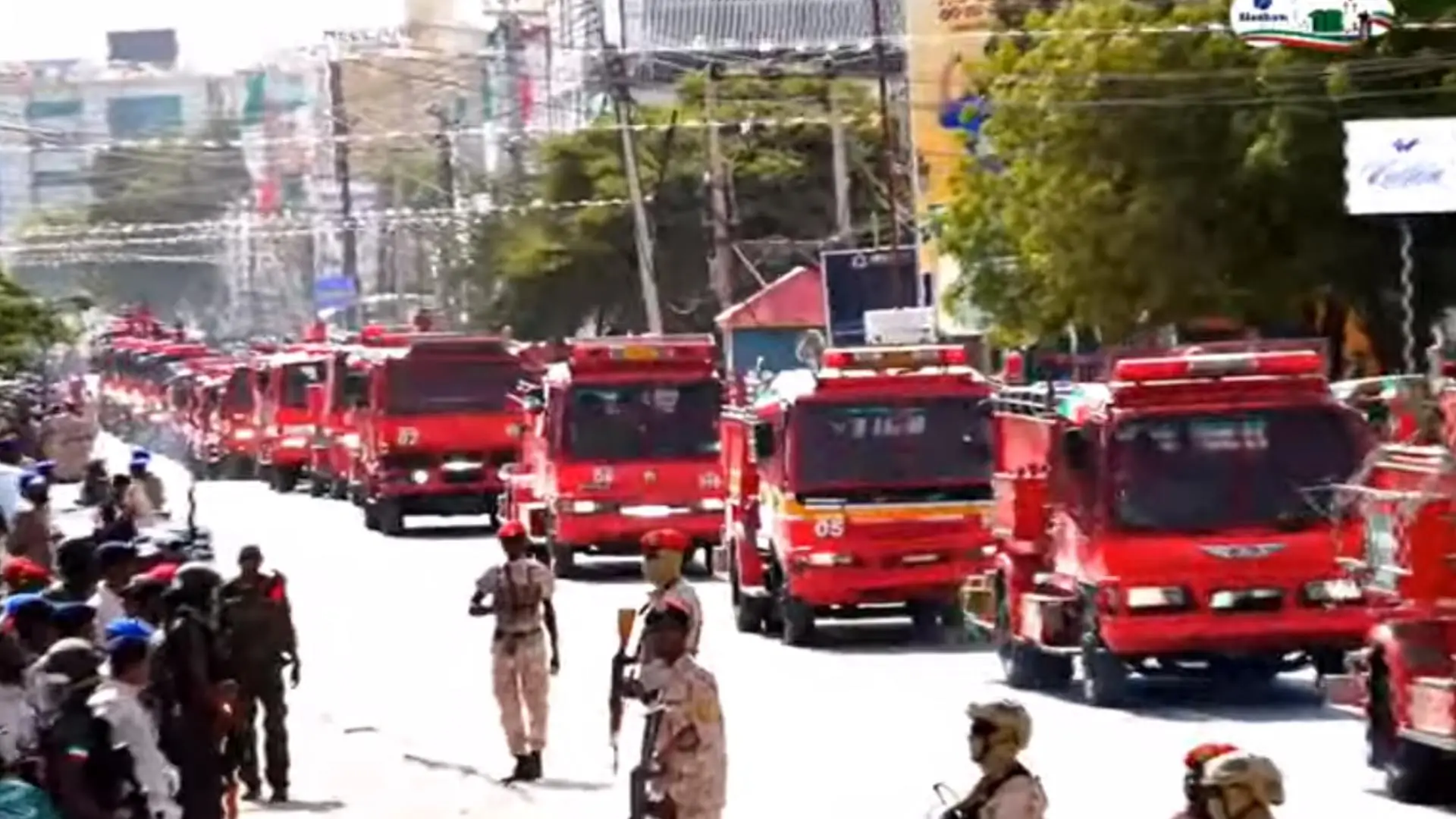
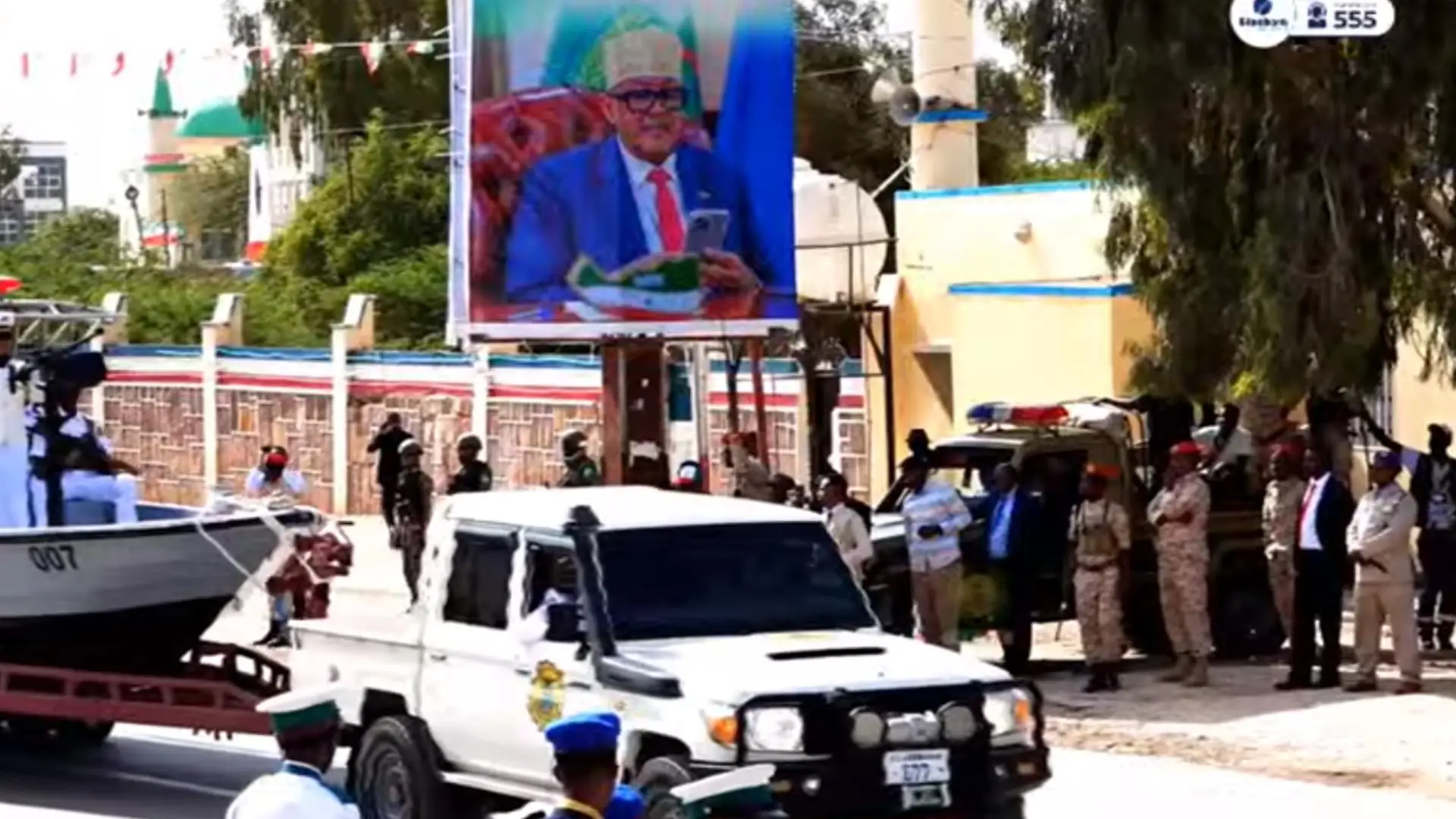
Across major cities including Hargeisa, Berbera, Burao, and Borama, thousands gathered waving Somaliland flags as military units, cultural groups, and youth organizations participated in nationwide celebrations marking more than three decades of self-governance, peacebuilding, and state-building.
But unlike previous anniversaries, this year’s May 18 commemoration arrives at a moment when Somaliland is no longer viewed merely as a self-declared state seeking recognition. Increasingly, it is being regarded as a strategically important and relatively stable political actor in the Horn of Africa.
A Celebration Taking Place in a Different Era
For many years, May 18 commemorations largely focused on remembrance — honoring the struggle of the Somali National Movement (SNM), the devastation caused by the civil war under the former Somali military regime, and Somaliland’s grassroots reconstruction process after 1991.
This year, however, the atmosphere is notably different.
The 35th anniversary comes amid growing international engagement with Somaliland, Rising geopolitical competition in the Red Sea region, increasing strategic interest in the Berbera Port, expanding diplomatic contacts and renewed discussions about Somaliland’s international status.
Many Somalilanders believe the country has entered a new phase — one centered less on proving its existence and more on defining its future role in regional politics, security, and trade.
From Post-War Recovery to Strategic Relevance
When Somaliland restored its sovereignty in 1991 following the collapse of the Somali Republic, it emerged from a devastating conflict that left cities destroyed, institutions collapsed, and much of the population displaced.
Over the next three decades, Somaliland rebuilt itself largely without international recognition or significant external support. It established a functioning government, security institutions, electoral processes, a national currency, local peace agreements and relative political stability.
These achievements have increasingly distinguished Somaliland from many conflict-affected areas in the region.
Today, Somaliland is frequently cited by regional analysts as one of the more stable countries in the Horn of Africa — a factor that has significantly increased international interest in the territory.
Why This Year’s Celebration Is Different
- Somaliland’s Strategic Importance Has Increased
The geopolitical environment surrounding Somaliland has changed dramatically over recent years.
The Red Sea and Gulf of Aden have become central arenas for global shipping security, military competition, energy routes and international trade.
Because of its geographic position along these waterways, Somaliland has gained strategic importance far beyond what it held during previous May 18 anniversaries.
The Berbera Port, in particular, has become a major point of regional economic and security interest due to its location and expanding infrastructure.
As instability continues in parts of the region, Somaliland’s relative stability has made it increasingly attractive to international partners seeking reliable allies in the Horn of Africa.
- International Engagement Is More Visible Than Before
While Somaliland still lacks more international recognition, its diplomatic visibility has expanded considerably after Israel become the first UN member state to recognize Somaliland on 25 December, 2025. Foreign delegations, investors, security officials, and policy analysts have increasingly visited Hargeisa in recent years. Somaliland has also strengthened cooperation in areas such as maritime security, trade and logistics, counterterrorism, infrastructure development and regional connectivity
For many Somalilanders, these developments represent a major shift from earlier years when the country struggled to gain international attention.
A common sentiment among supporters of Somaliland’s recognition is that the debate has evolved: the question is no longer whether Somaliland exists politically, but how the international community chooses to engage with it.
A New Generation With New Expectations
Another major difference this year is the role of Somaliland’s younger generation. Unlike older generations whose political memory is shaped by war and reconstruction, many young Somalilanders have grown up in a relatively stable environment under Somaliland’s own government, peace and nationalism building.
As a result, their priorities increasingly include international recognition, economic development, employment opportunities, technology and innovation, global engagement and foreign investment.
Social media campaigns surrounding the 35th anniversary demonstrated a highly organized digital nationalism, with Somaliland youth actively promoting the country’s narrative to international audiences.
Diaspora communities also played a significant role in amplifying this year’s celebrations through advocacy, media outreach, and international engagement.
The combination of Regional instability, Somaliland’s strategic location, its security partnerships and its long record of self-governance; has created a political environment many Somalilanders see as more favorable than in previous decades.
For that reason, the 35th anniversary of May 18 is being viewed not simply as a remembrance of the past, but as a symbol of a potentially transformative period in Somaliland’s political future.
More Than a National Anniversary
For Somalilanders, May 18 has always represented resilience, sacrifice, and self-determination.
But in 2026, the anniversary also reflects something broader: a growing belief among many Somalilanders that their political project has moved beyond survival and entered a new era of international relevance.
Whether that momentum ultimately leads to the recognition of more countries remains in hope. However, this year’s celebrations clearly demonstrate that Somaliland sees itself — and increasingly presents itself — as a stable and strategic actor whose influence in the Horn of Africa is expanding.
REPORT BY SOMALILANDPOST NEWS