

“Three main periods of migration can be identified, when comes to giving an overview of the history of the African Diaspora. Historically, the first wave of forced African migrations began during the Transatlantic Slave trade (16th-19th) century.
The second African diaspora generation was the result of the difficult process of decolonization. During the late-colonial period, early post-independence, starting from the 1950s…this diaspora was mainly the product of ‘voluntary migration’. This period marked a rather important increase in emigration aimed at acquiring a better quality of life and education.
 Starting from the 1980s, the most common grounds on which Africans left their countries changed in its nature. Fleeing from broken and breakable states, wars, hopeless poverty or political persecution became a major cause of emigration, up until today“ (Experience Africa, n.d.).
The Somali Diaspora, in general, was the result of fleeing the broken state, civil war, and political persecution. Somalilanders in particular were subjected to ethnic cleansing and genocide by the late dictator of Somalia.
The Somaliland Diaspora played a major role during the armed struggle in defeating the brutal regime by funding the cause or by joining the forces to reclaim the Somaliland independence again. They still continue to be the main source of economic development through remittance and by investing in the local business which creates employment to improve the lives of fellow Somalilanders.
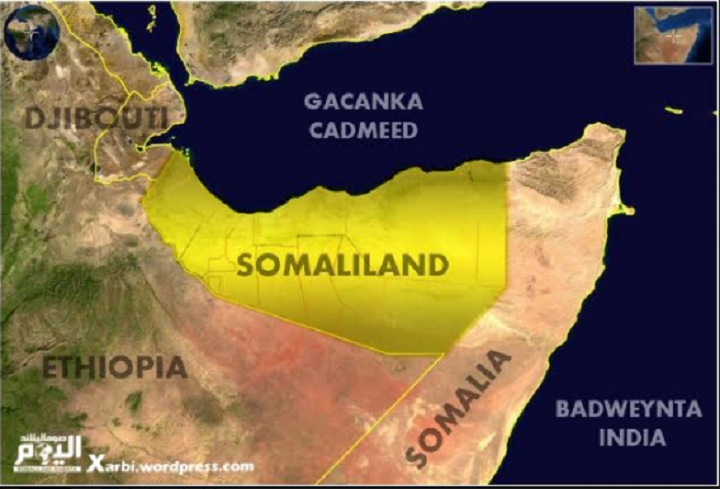
Today Somaliland is an island of peace and prosperity, surrounded by walls of despair and uncertainty beyond the boundary lines to Somalia, Ethiopia including east beyond the shorelines to Yemen. Democracy in Somaliland has flourished as it was witnessed by the latest successful simultaneous local and parliamentary elections.
Nevertheless, today’s Somaliland Diaspora seemed to be blind-sided by the local issues between political parties or concerns rising from clan rivalries, which are mostly resolved through traditional means by elders or by local government authorities. In theory, the Somaliland diaspora having lived in most civilized western democracies were supposed to see beyond the clan loyalty and expand their visions and build on the successes already accomplished in strengthening the young democratic that does not exist beyond our borders.
Fortunately, today there are homegrown smart educated young Somalilanders who are more issue-oriented than partisan tribal disputes, as they have proven in the most recent election when they successfully elected two very talented young leaders, Barkhad and Abdikarim to the parliament and to the mayorship respectfully.
Maybe the diaspora has a lot to learn from those less traveled with no exposure to western civilization, yet more civil than the ones claiming otherwise.
By Mohamed Adan Samatar