

Hargeisa (SLpost)- A new policy analysis published by the Jerusalem Center for Security and Foreign Affairs (JCFA) argues that Somaliland’s Port of Berbera could play a greater role in Red Sea maritime security under a proposed Saudi strategy combining security cooperation with Somaliland and economic support for Somalia.
The proposal highlights Berbera’s strategic location but also raises questions about the feasibility of the suggested partnerships, the risks of greater militarisation and the extent to which the authors’ assumptions reflect established policy.
The article, titled The Red Sea Frontier: Berbera and the New Saudi Strategy for Somaliland and Somalia, was written by Rabbi Mordechai Yosef Ben Avraham and Dr Habtom Ghebrezghiabher. It presents a dual-track approach for Riyadh: developing a maritime-security partnership with Somaliland centred on Berbera while providing a substantial economic stabilisation package to Somalia’s federal government in Mogadishu.
The authors contend that combining these approaches could help Saudi Arabia move beyond reactive responses to threats in the Red Sea and establish a more proactive system of deterrence.
Proposed Strategy Links Somaliland, Saudi Arabia, Israel and the UAE
The JCFA analysis proposes a regional arrangement in which each partner would contribute a different strategic asset. Somaliland would provide geographic access and port facilities; Israel would contribute surveillance and early-warning technology; the United Arab Emirates would bring its existing infrastructure investment and maritime expertise; and Ethiopia would provide regional connectivity and strategic depth.
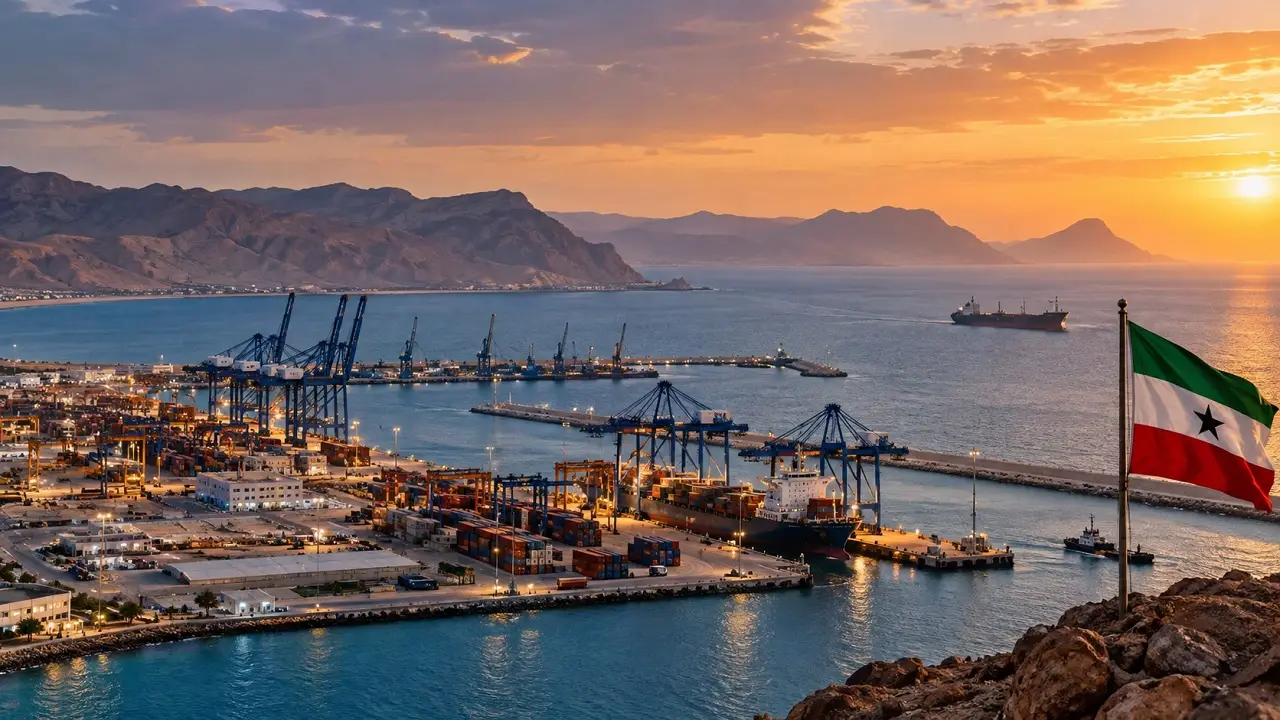
The authors argue that Berbera’s port and airport could support maritime surveillance, intelligence-sharing and early-warning systems designed to monitor threats originating from Yemen. They also suggest that Saudi Arabia could benefit from cooperation with Somaliland without immediately extending formal diplomatic recognition or publicly normalising relations with Israel.
The proposal builds on Berbera’s geographic position along the Gulf of Aden and its established commercial infrastructure. DP World has invested in the port, giving the location an existing economic and logistical foundation.
Saudi Arabia Could Pursue Parallel Engagement With Hargeisa and Mogadishu
A central element of the JCFA proposal is its recommendation that Saudi Arabia engage Somaliland on maritime security while expanding economic and security assistance to Somalia’s federal government.
Under this proposed arrangement, Riyadh would support development projects in Somalia, including electricity, ports and agriculture, alongside debt assistance and security-sector support. The authors argue that such investment could help maintain relations with Mogadishu while allowing Saudi Arabia to pursue practical cooperation with Hargeisa.
The approach reflects an attempt to reconcile two competing considerations: Somaliland’s strategic value along the Gulf of Aden and the diplomatic complications associated with Somalia’s opposition to independent foreign engagement with Somaliland.
Nevertheless, the article does not establish that Saudi Arabia has committed to the proposed investment package or that Mogadishu would accept a framework linking economic assistance to parallel security cooperation in Berbera.
Whether such an arrangement could work would depend on political negotiations, the terms of any agreements and the willingness of the parties to separate commercial cooperation from unresolved sovereignty disputes.
Strategic Opportunity Comes With Economic and Security Risks
The JCFA proposal presents Berbera as a potential asset in a wider regional security architecture. Greater international cooperation could, in principle, create opportunities for port-related investment, technical partnerships, infrastructure development and employment.
However, a closer association with military surveillance or regional defence operations could also introduce risks. If Berbera became a recognised platform for foreign security operations, Somaliland should think widely and exchange for diplomatic recognition because of its strategic location.
There would also be questions about the legal framework governing foreign access, the division of operational responsibilities, the protection of commercial activity and the extent of Somaliland’s control over any facilities established on its territory.
These considerations make it important to distinguish between cooperation to protect commercial shipping and arrangements that could turn a commercial port into a platform for military operations.
What the Proposal Means for Somaliland
The article highlights Berbera’s potential importance to regional security and diplomacy, but its most consequential recommendations remain proposals rather than confirmed policy decisions.
For Somaliland, the strategic question is not simply whether foreign governments recognise the value of Berbera. It is whether that interest can be translated into arrangements that support sustainable economic development, protect commercial infrastructure and preserve Somaliland’s ability to make independent policy decisions as a sovereign state.
A carefully negotiated maritime-security partnership could potentially complement trade and investment. Conversely, arrangements driven primarily by the security priorities of external powers could expose Somaliland to risks without guaranteeing equivalent economic or diplomatic benefits.
The JCFA analysis offers one possible framework for regional cooperation, but its assumptions about Saudi intentions, Israeli participation, Emirati coordination and the acceptance of Mogadishu require further assessments.
Reporty by Somalilandpost News