
Hargeisa (SLpost)- Somaliland’s agricultural sector faces persistent challenges from recurrent droughts, unpredictable rainfall and limited access to essential farming resources, despite opportunities to strengthen local food production, improve household incomes and expand agricultural market access.
Observed annually on 16 October, World Food Day 2026 is marked under the theme “Innovate today. Nourish tomorrow.” The theme underscores the importance of innovation in developing sustainable and resilient food systems, particularly in drought-prone regions such as Somaliland, where climate variability continues to place pressure on agricultural production and rural livelihoods.
Despite these challenges, farmers across Somaliland continue to produce a variety of agricultural products that contribute to local food supply chains and provide an important source of income for farming households. However, persistent water shortages, inadequate access to quality seeds, crop pests and diseases, and limited opportunities for technical training continue to constrain productivity.
Sa’ad Aw Muse, Communication and Information Systems Manager at the Ministry of Water Development, shared findings from his meeting with farmers in Arabsiyo, highlighting the key challenges affecting agricultural production in Somaliland.
He said farmers need improved access to markets, modern agricultural technologies and stronger links with international markets to enhance productivity and take advantage of emerging economic opportunities.
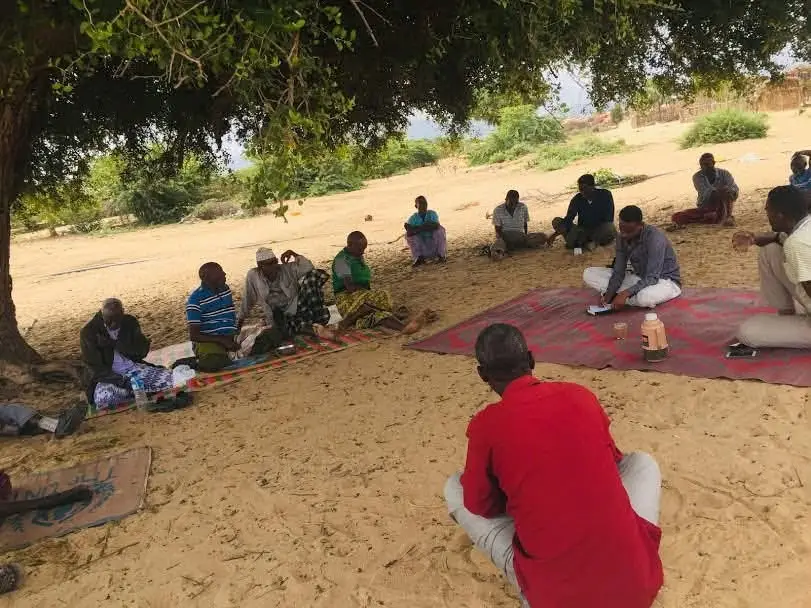
“The challenges confronting our farmers include the need for enhanced market access, agricultural technologies, and better links with international markets,” he said, describing these areas as significant opportunities for agricultural development.
Unlocking this potential will require coordinated efforts to equip farmers with the knowledge, resources and technologies needed to improve productivity and respond to increasingly difficult climatic conditions. Strengthening agricultural research, expanding practical training and improving access to appropriate technologies could help farmers address production constraints and make better use of available resources.
Mohamed Abdi, a farmer from Arabsiyo city, emphasized the importance of translating research into practical skills and solutions that farmers can apply in their daily work.
“We need to think about how best to utilise research outcomes to develop technical expertise among farmers, equipping them with the capacity to harness modern technology and reduce agricultural production challenges,” he said.
Sustainable Water Management and Quality Seeds Remain Priorities
Strengthening Somaliland’s agricultural sector will require a comprehensive approach that addresses the underlying constraints facing farmers. Improving access to reliable water supplies, ensuring the availability of quality seeds and strengthening agricultural extension services are essential steps towards increasing production and supporting rural livelihoods.
Sustainable water management is particularly important in a region frequently affected by drought and irregular rainfall. Investment in water harvesting, efficient irrigation systems and improved management of available water resources could help farmers reduce their dependence on unpredictable precipitation.
“Access to high-quality seeds is equally critical. Promoting drought-tolerant crop varieties suited to local environmental conditions could help farmers reduce climate-related risks and improve the reliability of harvests. Meanwhile, stronger agricultural extension services would enable farmers to access practical guidance on crop management, soil conservation, pest and disease control, and the adoption of appropriate farming technologies,” says Mr. Sa’ad Aw Muse.
Turning Market Opportunities into Agricultural Growth
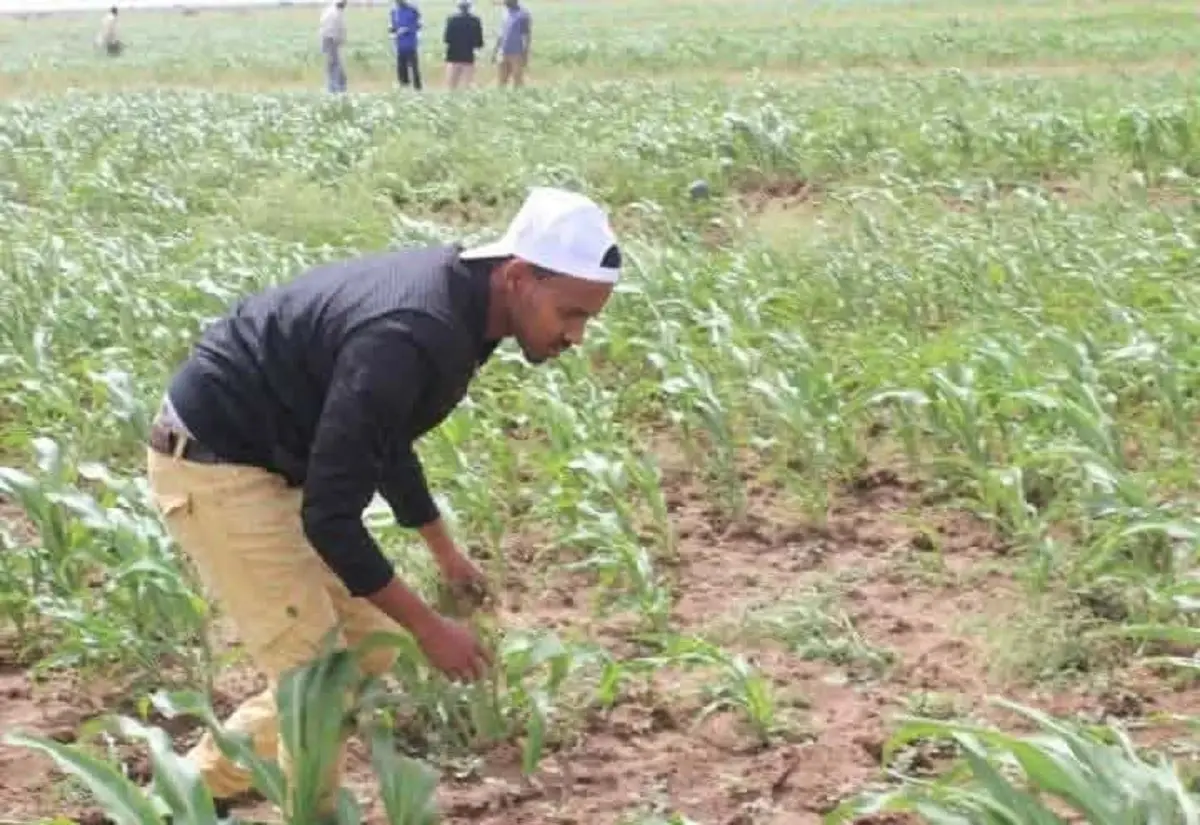
Beyond improving production, Somaliland has opportunities to strengthen the connections between farmers, local markets and potential international buyers. Better market information, improved agricultural value chains and stronger links between producers and buyers could help farmers identify new commercial opportunities and increase the returns on their work.
However, realising these opportunities will depend on addressing the practical barriers that limit farmers’ ability to produce consistently, meet market requirements and access appropriate technologies.
Sa’ad Aw-Muse emphasised that investment in agricultural infrastructure, farmer training, research and sustainable water management systems is essential to addressing the challenges facing Somaliland’s agricultural sector and unlocking its long-term potential. He also highlighted the importance of stronger coordination among government institutions, agricultural experts and farming communities to ensure that development initiatives address farmers’ actual needs and support sustainable improvements in agricultural productivity.
As Somaliland marks World Food Day 2026, the challenges facing our farmers highlight the close relationship between agricultural innovation, food security and sustainable development. Improving access to water, quality seeds, technical expertise and markets will be essential to building a more resilient agricultural sector.
Ultimately, strengthening Somaliland’s agricultural sector will require more than introducing new technologies. Farmers must also have access to the resources, technical knowledge and institutional support needed to adopt practical solutions, build climate resilience, sustain their livelihoods and contribute to a more reliable and sustainable local food supply.
World Food Day serves as a reminder that strengthening food systems begins with supporting the people who produce food. For Somaliland, sustained investment in farmers and climate-resilient agriculture could help turn emerging market opportunities into lasting improvements in agricultural productivity, rural incomes and food security.

